Tour du Mont Blanc Trail Conditions Report 12 June 2026
12/06/2026
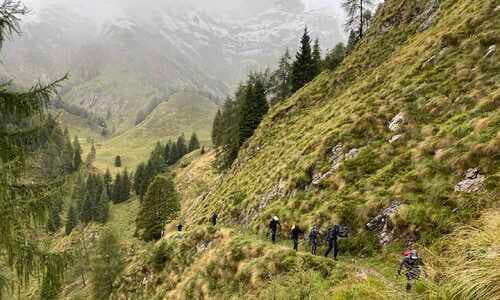
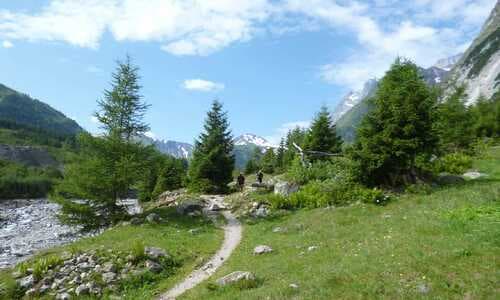
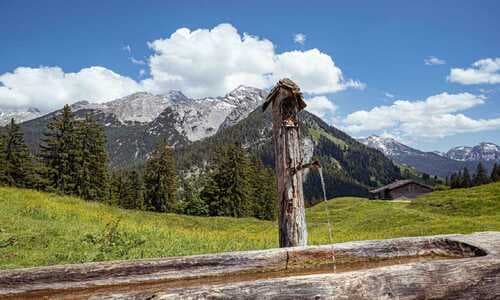
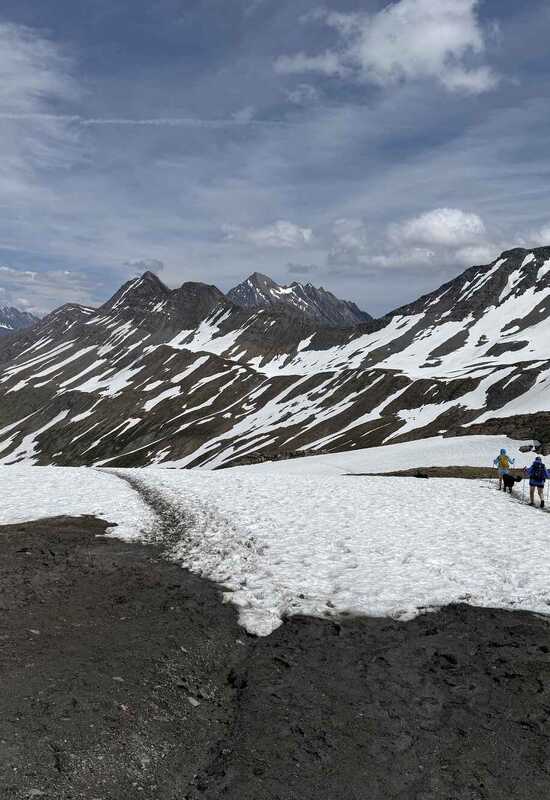
Over the past week, Vic Chelton and I have been out on the Tour du Mont Blanc assessing conditions on the key early-season sections of the route. While the valleys are now looking green and summer-like, significant snow remains on some of the higher passes and trekkers should be prepared for winter conditions above 2,200m in certain areas.
The encouraging news is that conditions are generally better than expected for mid-June. Snow cover is less extensive than on many recent early-season starts, and warm temperatures continue to accelerate the melt. However, there are still problem areas that could be potentially dangerous. Care, appropriate equipment and good judgement remain essential.
The main areas still affected by snow are:
Col du Brévent (2368m)
Col du Bonhomme (2443m)
Col de la Croix du Bonhomme (2483m)
Col de la Seigne (2516m)
Grand Col Ferret (2537m)
The Col des Fours and Fenêtre d'Arpette variants are not recommended at this stage of the season.
Day 1: Chamonix to Les Houches via Le Brévent
The Planpraz and Brévent cable cars reopen for the summer season on 13th June 2026.
From Planpraz (2000m) to the Col du Brévent, the trail is snow free, although trekkers should remain alert for loose rocks on the path.
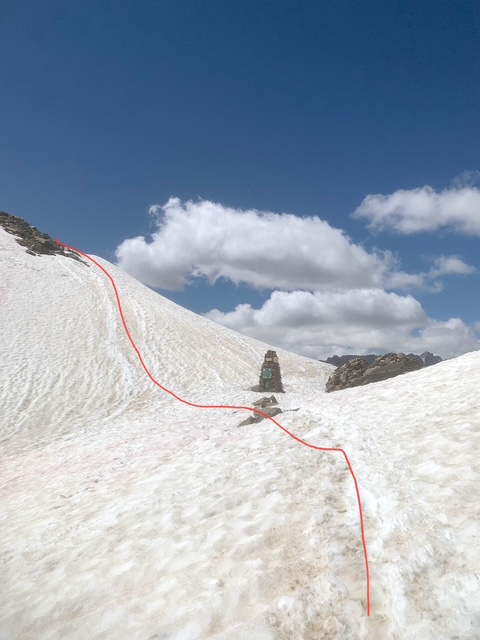
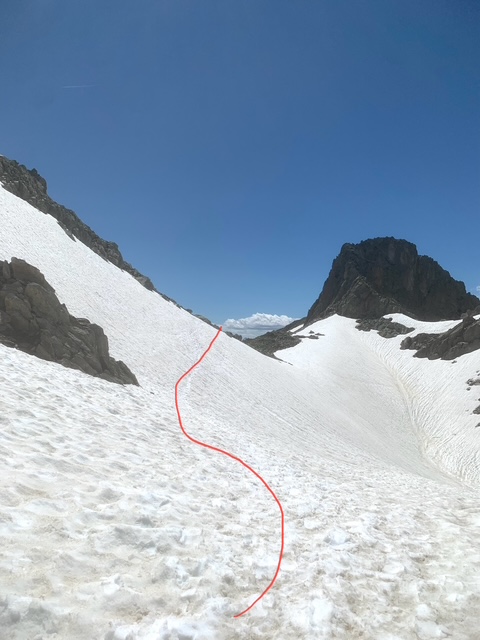
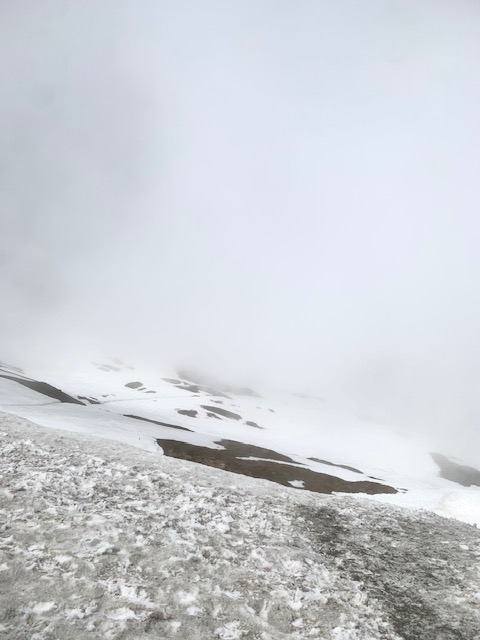
From the Col du Brévent (2368m) to the summit station of Le Brévent (2525m), approximately 80% of the trail remains covered by snow. The path itself is largely buried, although there is currently a well-defined track through the snow.
Micro-spikes and walking poles are essential on this section. Route finding requires concentration, particularly as trail markings are often hidden beneath the snow. Large holes are beginning to form as the snowpack melts and every step should be placed carefully.
The ladder section remains snow free and is fully passable.
In poor visibility or bad weather we recommend avoiding this section altogether. Trekkers should either take the second cable car to the summit station or use the lower valley route.
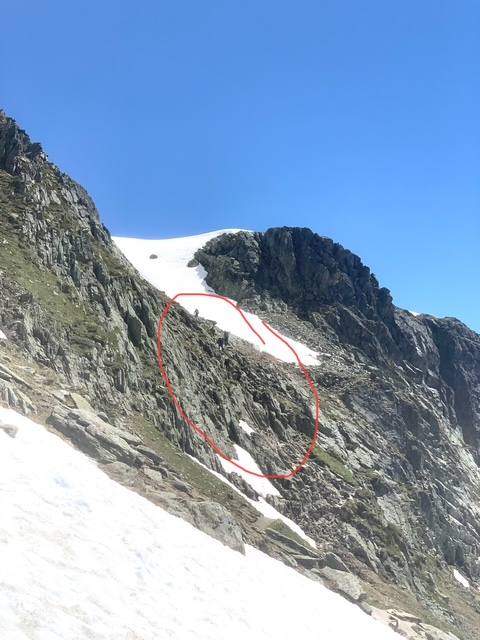
From the summit station down towards Refuge Bellachat and Les Houches, several snow patches remain but are generally straightforward to cross. Continue to pay attention to gaps forming between rocks and melting snow.
Refuge Bellachat reopens on 20th June and remains open until 27th September 2026.
Day 2: Les Houches to Les Contamines via Col du Tricot
This stage is effectively snow free.
The Bellevue cable car is operating daily from 07:30 to 17:30 and the Passerelle de Bionnassay bridge is in place.
Trekkers should pay particular attention to the path junction around 1950m. To avoid lingering snow, take the right-hand zig-zag path marked with directional arrows towards the Col du Tricot.
Although snow is no longer an issue, the descent towards the Chalets de Miage remains steep and demanding. Early-season ground conditions can be unstable following snow melt and extra care is advised.
Walking poles are recommended.
The Refuge des Chalets de Miage is open for refreshments until 20th September 2026.
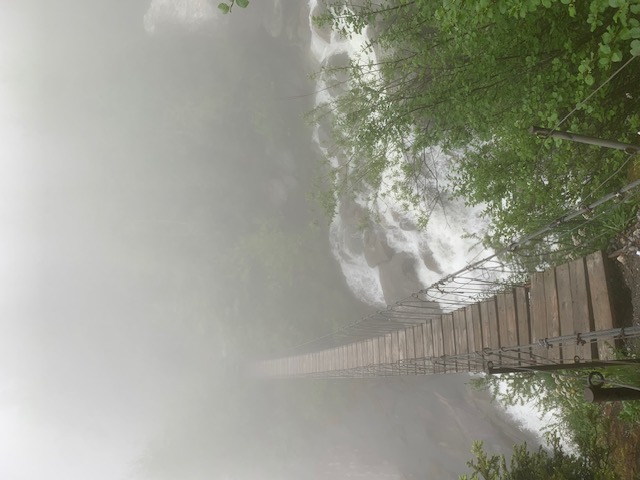
Day 3: Les Contamines to Les Chapieux
Conditions are improving rapidly on this stage and are better than anticipated for the time of year.
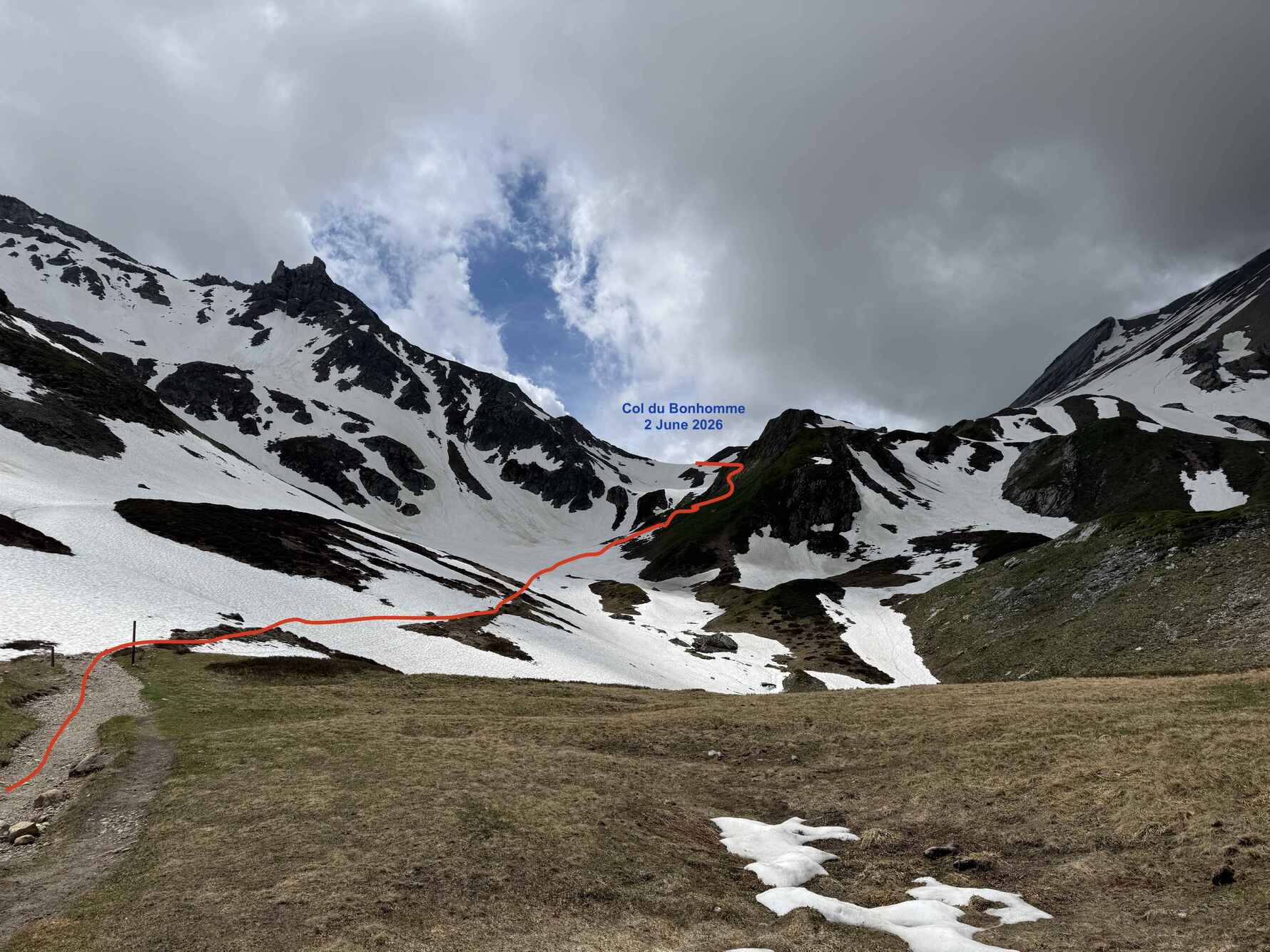
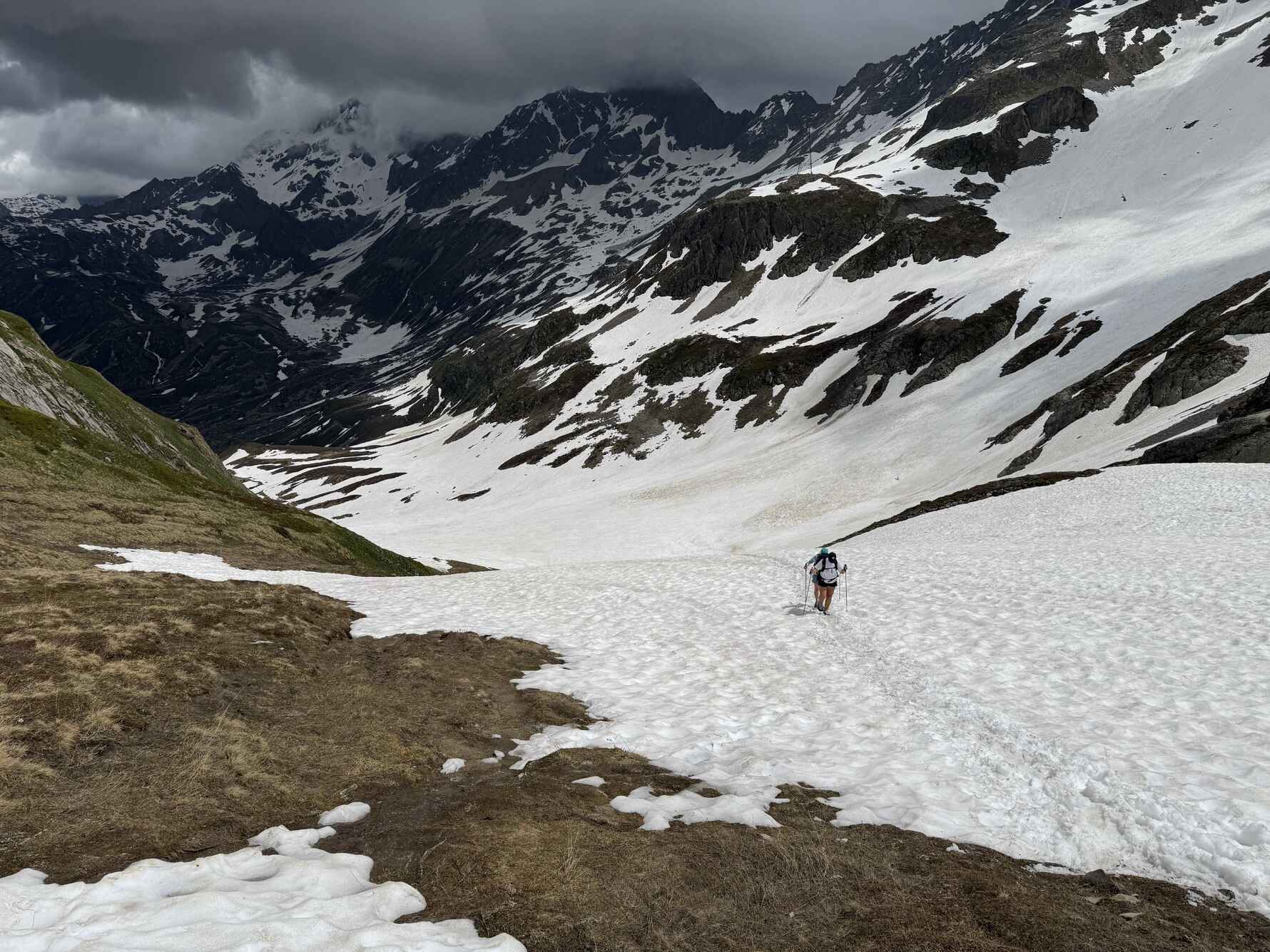
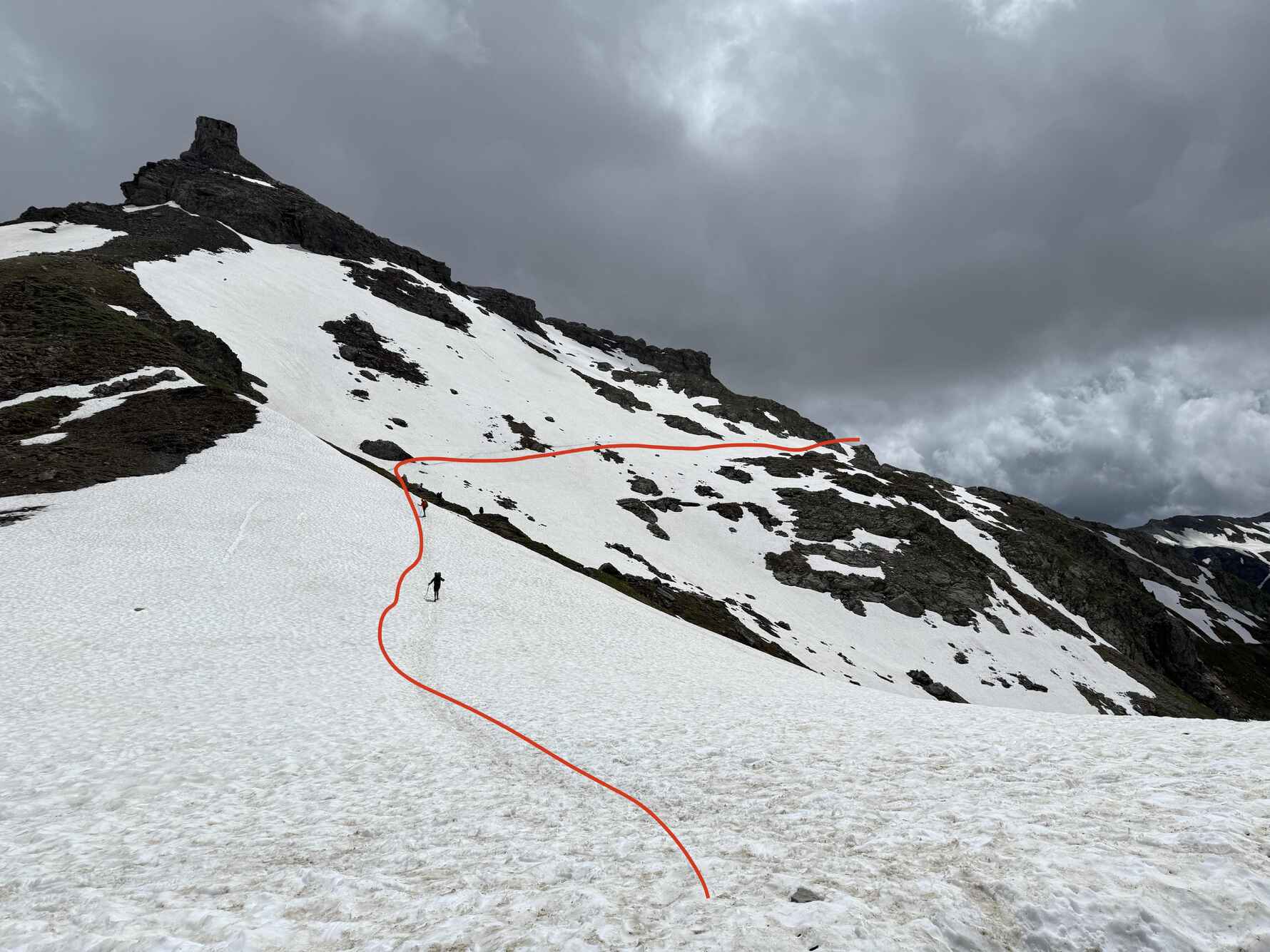
Snow remains on the approach to the Col du Bonhomme and becomes more continuous between the Col du Bonhomme and the Col de la Croix du Bonhomme.
Micro-spikes and walking poles are essential for safe passage through these sections. Particular care is required between the two cols where snow remains on steeper terrain. A slip in this area could have serious consequences.
A well-established track is currently in place, making navigation relatively straightforward in good visibility.
The descent towards Les Chapieux still contains patches of snow before becoming snow free lower down.
Important: Col des Fours Variant
The Col des Fours variant is not recommended at this time.
Significant snow remains on steep terrain and the route presents objective hazards that are not appropriate for most TMB trekkers in early-season conditions.
If you are staying at Refuge des Mottets, descend to Les Chapieux and follow the road to Ville des Glaciers rather than crossing the Col des Fours.
Day 4: Les Chapieux to Courmayeur via Col de la Seigne
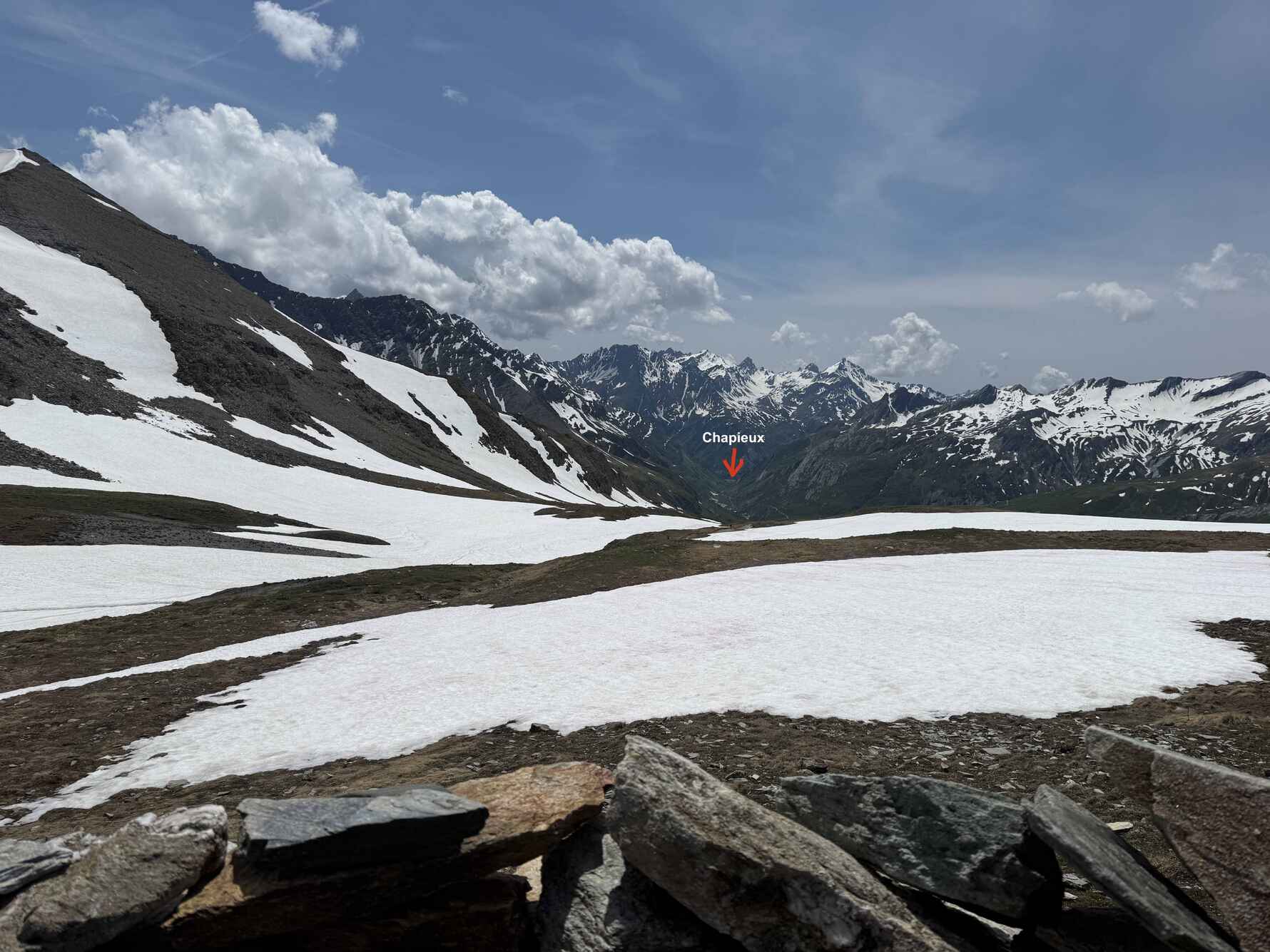
The trail is largely snow free up to approximately 2200m.
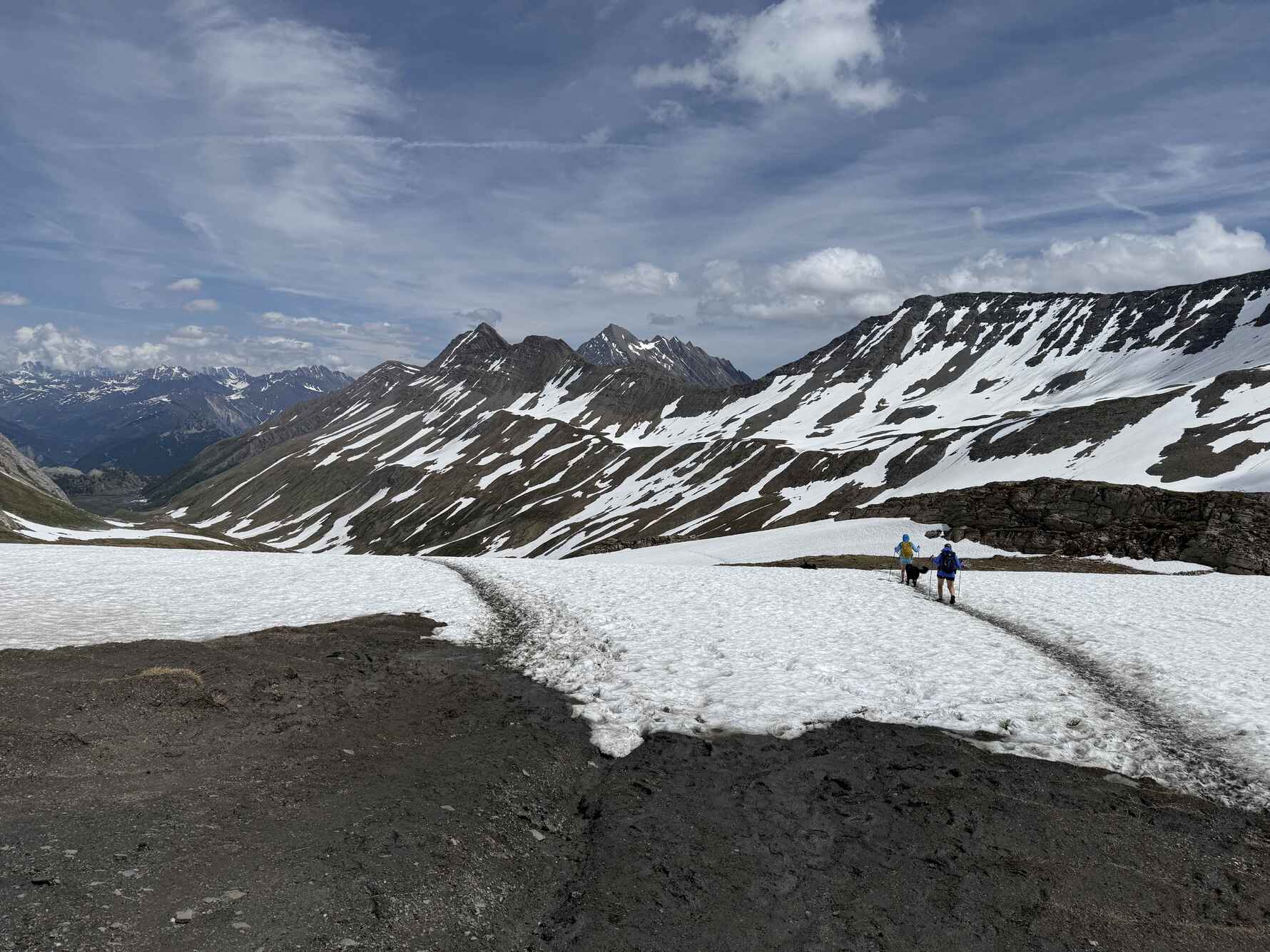
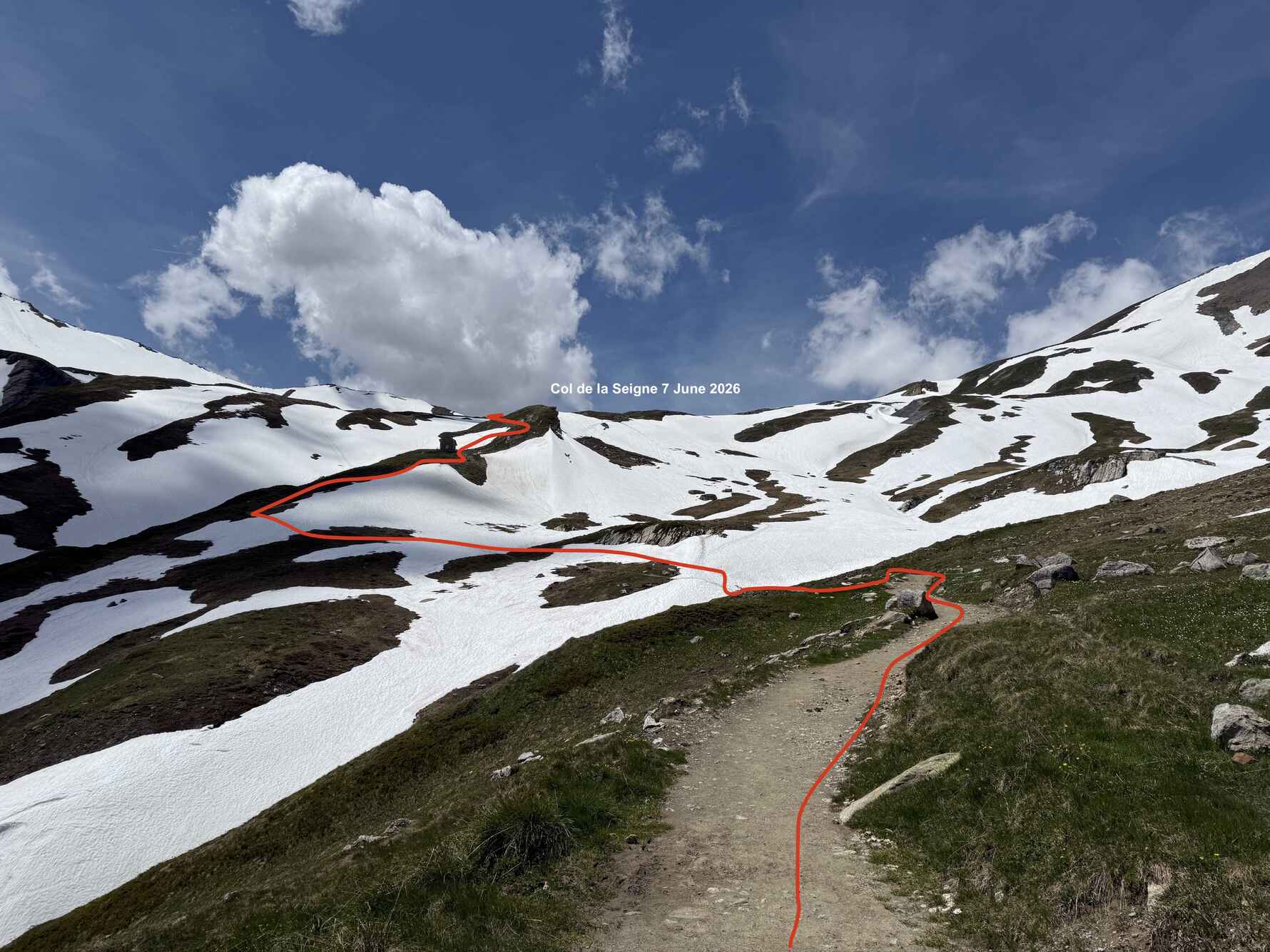
Above this altitude, trekkers will encounter a number of snow patches on both the ascent and descent of the Col de la Seigne. These sections are currently passable but require care and concentration.
Micro-spikes and walking poles are strongly recommended.
Conditions on both the French and Italian sides of the pass are encouraging, with significantly less snow than many trekkers would expect for mid-June.
Day 5: Courmayeur to Val Ferret
No significant issues have been reported on this stage when following the standard lower route options.
Day 6: Val Ferret to La Fouly via Grand Col Ferret
The Italian Val Ferret bus service is now operating and can be used if required.
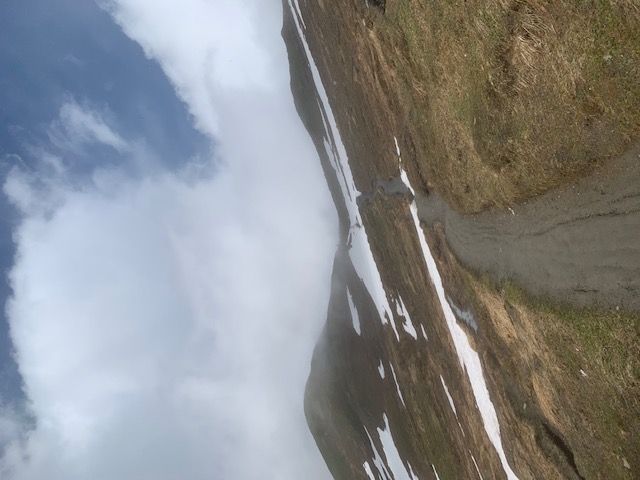
Most of the snow has now melted on this stage, although several important sections still require care.
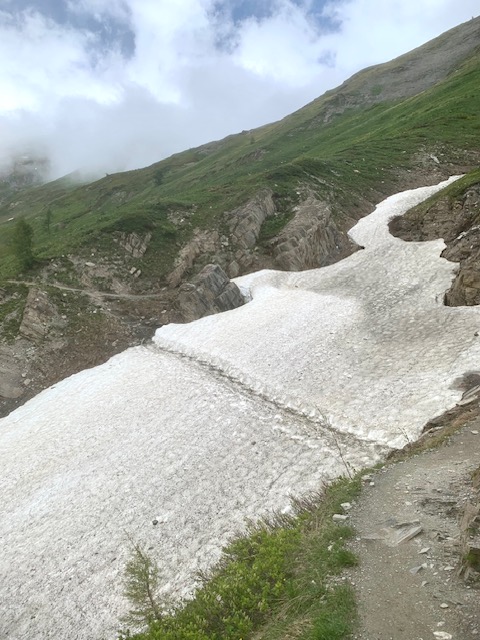
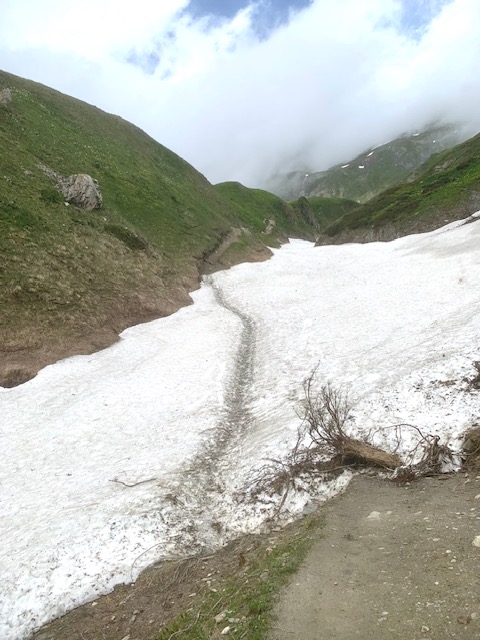
Between Chalet Val Ferret and Refuge Elena there are four snow-covered river crossings. These are short sections and are currently well tracked by other walkers, but they still require attention.
The final snow crossing before Refuge Elena requires particular care as the bridge across the river has not yet been installed. As snow continues to melt, hidden voids and weak sections will develop.
From Refuge Elena to the Grand Col Ferret itself there is very little snow and remaining patches are easily crossed.
The Swiss side of the Grand Col Ferret contains more continuous snow cover for approximately 45 minutes after the col. The terrain is generally gentle, but snow, mud and wet ground can make progress slower than usual.
Micro-spikes are recommended and walking poles are essential.
Fenêtre d'Arpette
The Fenêtre d'Arpette variant has not been inspected because conditions remain unsuitable for normal TMB trekking.
This route is not recommended at present. Steep snow-covered slopes on both sides of the col create a significant risk of a serious fall.
We plan to inspect the route in early July and will publish an update once conditions improve sufficiently for assessment.
Snow Bridges
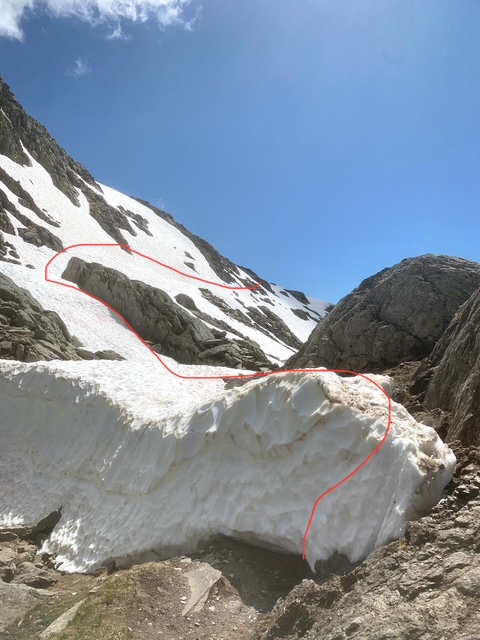
Particular caution is required around snow bridges covering streams, river gullies and drainage channels. While these snow bridges can appear solid from above, melting water beneath can rapidly weaken the snowpack, creating hidden voids and unstable sections.
As temperatures rise, snow bridges often become more dangerous before they disappear completely. What appears to be a safe crossing may collapse without warning, potentially resulting in a fall into fast-flowing water, rocks or deep holes beneath the snow.
Take extra care when crossing any snow-covered gully or stream, especially during warm afternoons. If there is any doubt about the stability of a snow bridge, look for an alternative route or turn back.
Crossing Snow on Steep Terrain
When crossing snow-covered slopes or gullies, always take a moment to assess the consequences of a slip or fall before committing to the crossing. Look carefully at what lies below. Would a slip simply result in a short slide onto gentle ground, or could it carry you into rocks, a gully, running water or over a steep drop?
Many accidents occur because walkers underestimate the consequences of a fall on what appears to be a short or straightforward section of snow. If there is any doubt, put on your micro-spikes, no matter how brief the crossing may seem. The few minutes spent fitting them can significantly reduce the risk of a potentially serious accident.
Remember that snow conditions can vary throughout the day and what feels soft and secure in the afternoon may be hard and slippery in the morning.
Essential Equipment
All trekkers should carry:
Walking poles
Micro-spikes
Waterproof jacket and trousers
Warm clothing, gloves and hat
Sunglasses and sun cream
Snow conditions can change rapidly depending on weather and temperature. Allow extra time for each stage, particularly where snow remains on higher ground, and always be prepared to alter your plans if conditions deteriorate.
As always, your safety is your responsibility. If you are unsure about crossing snow-covered terrain, choose a lower alternative route or turn back.
About the Author