Emergency & Important Information

UIMLA Guided Trekking Holidays

Is this the right kind of trek for you?

You've booked your trek, done the fitness preparation and got your trekking list nailed down. In the run up to your adventure you will need to be insured, and informed of situations that could go wrong and how to deal with them. Of course on our guided treks, our guides will run through the risk assessments and keep you safe. For self-guided treks, it's essential you know this information and our guides will have have expert advice on a call.

Trekking and Medical Insurance

You will need comprehensive travel and holiday insurance suitable for a trekking holiday covering altitudes up to 3,000m. It is essential to have the correct insurance in case of a medical emergency on the mountain, as rescue can be costly. Hospitalisation and subsequent medical care are often the most expensive aspects of any accident. It is your responsibility to ensure you have the correct level of insurance. We accept no responsibility for any costs incurred due to inadequate coverage.

Bad Weather alternatives

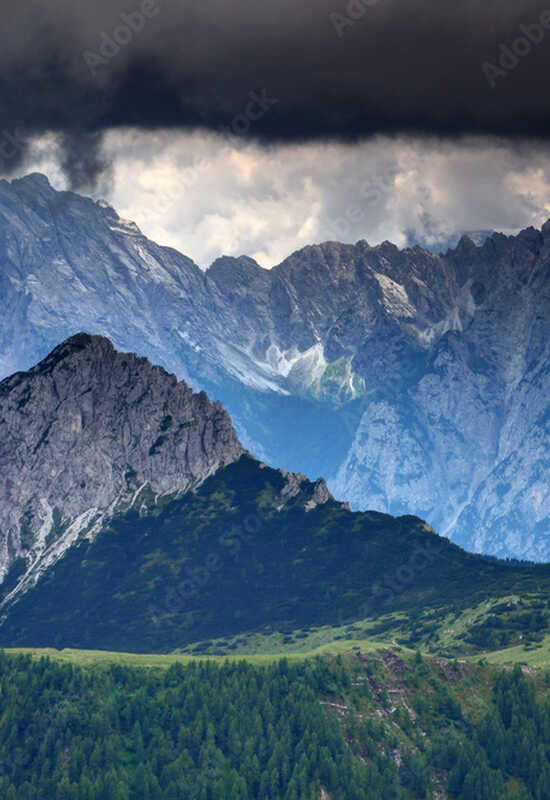
Please take note of bad weather alternatives indicated on each route card. On some days, there will be no alternative route, requiring a decision on whether it is safe to continue or retreat to lower ground. Mountain weather can change drastically in a short period - even in high summer, temperatures can shift from +30°C to -5°C. Severe weather and poor visibility at high altitudes demand strong navigational skills and mountain experience to safely cross passes (cols). It is essential to check the weather forecast daily - your accommodation should have up-to-date weather information.
Neve / Snow

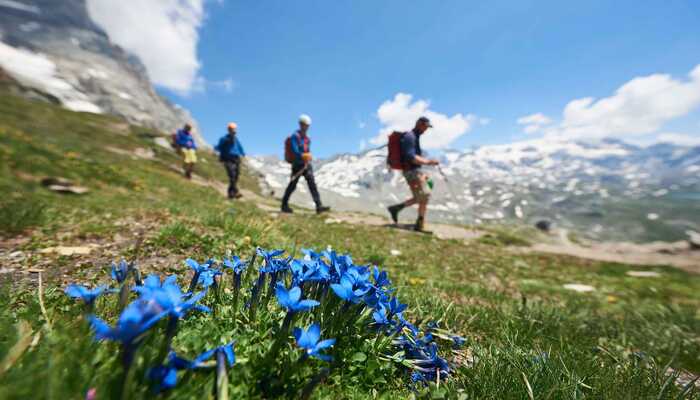
In early June and July, there is a high chance of snow at higher elevations, which can make the route difficult and dangerous. Extreme caution is required when moving on neve (snow), as conditions can vary between frozen solid and slushy, making crossings treacherous. Without crampons (microspikes), it may be impossible to traverse safely. Before crossing snow- covered areas, conduct a risk assessment:

Look below—if you slipped, how far would you slide or fall?

Could a slip or fall result in injury?

If in doubt, retreat and descend to the safety of the valley.

Aborting the route

If you decide to abort the route on a particular day, you will need to take public transport to your next accommodation. Depending on your location, this could be complex and may require multiple bus or train changes. Refer to the transport information for further information, or ask at the tourist office or your Accommodation.

Self Guided Trekking documentation

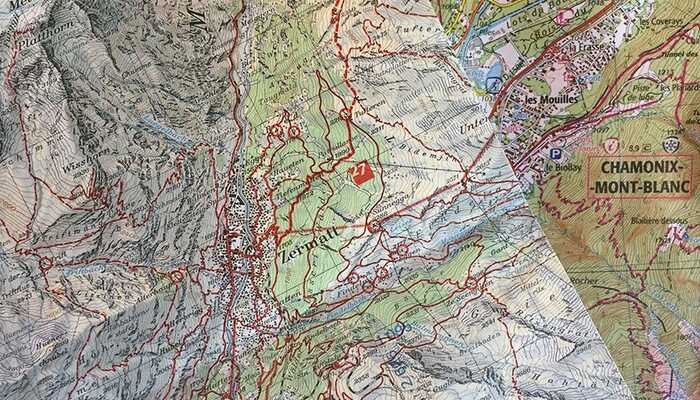
When undertaking a self-guided trek, you are expected to have a good level of navigational and map-reading skills. You must be able to assess risks, make independent decisions, and ensure the safety of yourself and your group. Guidebooks, route cards, maps, and additional information provided by us are for guidance only. While all information is supplied to the best of our knowledge, the times and distances quoted are approximate and based on an average walking pace—they do not account for different walking speeds, rest breaks, or unforeseen conditions. All information provided serves as a guide, not a substitute for mountain experience and navigational skills.

Emergency Information

1 - Stay calm and Assess the Situation

  • Can you resolve the situation or do you need to seek help?

  • Ensure all other group members are safe.

2 -  Do You Have an InjuredGroup Member?

  • If anyone is injured, ABC rule Airway, Breathing, Circulation (signs of life /blood loss).

  • Treat any injuries.

  • Insulate casualty from the ground, provide extra clothing, and keep them warm.

3 -  Depending On LocationDo You Need To...

  • Descend to safety?

  • Find a shelter & stay put until help arrives.

4 -  Depending On LocationDo You Need To...

  • If a farm, refuge or village is nearby, would it be quicker to go for help on foot?

  • In any other situation, call emergency services.

5 -  Before Seeking Help Have Your Information Ready

  • What happened? (nature & time of accident).

  • Details of injury or illness (for all casualties).

  • Your location (grid reference, terrain description).

  • Your phone details & other phone numbers within the group.

  • Weather conditions & visibility (if relevant).

  • Make the location easily visible to search teams.

6 -  Call Mountain Rescue

  • If your phone has no signal, should someone go & find one?

  • Have a clear procedure so no one gets lost.

7 -  Seeking Help On Foot

  • Take all necessary information with you.

  • If possible, leave someone with the casualty.

  • Make the location easily seen by search parties.

8 -  Trekking & MedicalInsurance

Ensure you have the appropriate trekking insurance before your trip. Mountain rescue and medical costs can be very expensive.

Calling Mountain Rescue

FRANCE 112 / ITALY 118 / SWITZERLAND 144

Consider your phone might not have a signal, do you send someone to find one? If so have a clear procedure so people do not get lost.