07/07/2026
Towering peaks, ancient Berber villages, and star-filled skies — the Atlas Mountains offer one of the world's most rewarding and least crowded trekking experiences.
Where the Sahara Meets the Sky
Most travellers arrive in Morocco chasing the labyrinthine medinas of Marrakech or the golden dunes of Merzouga — and who could blame them? But a two-hour drive south of Marrakech, a completely different world rises from the earth. The High Atlas Mountains stretch for more than 2,500 kilometres across Morocco, Algeria, and Tunisia, and their Moroccan heart is home to Jebel Toubkal, the highest peak in North Africa at 4,167 metres above sea level.
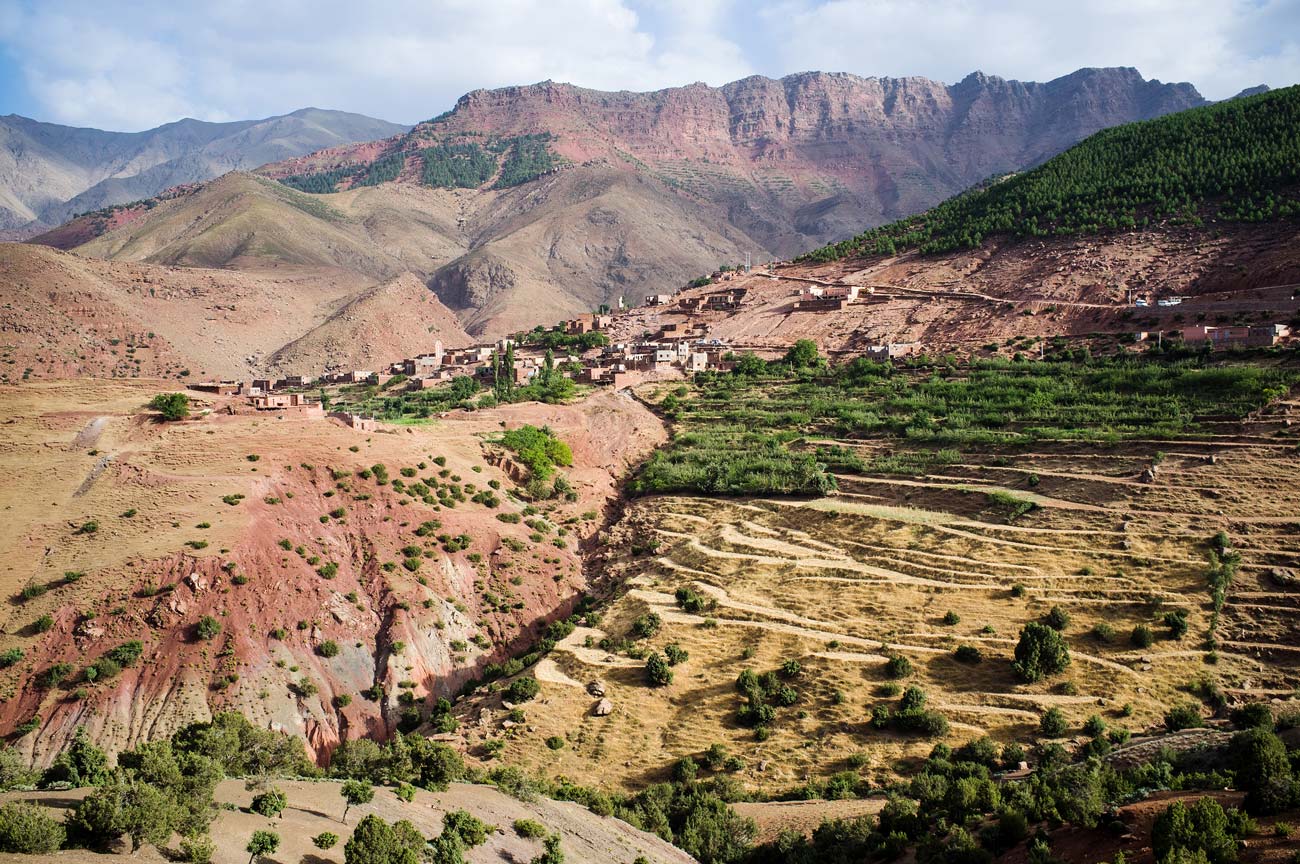
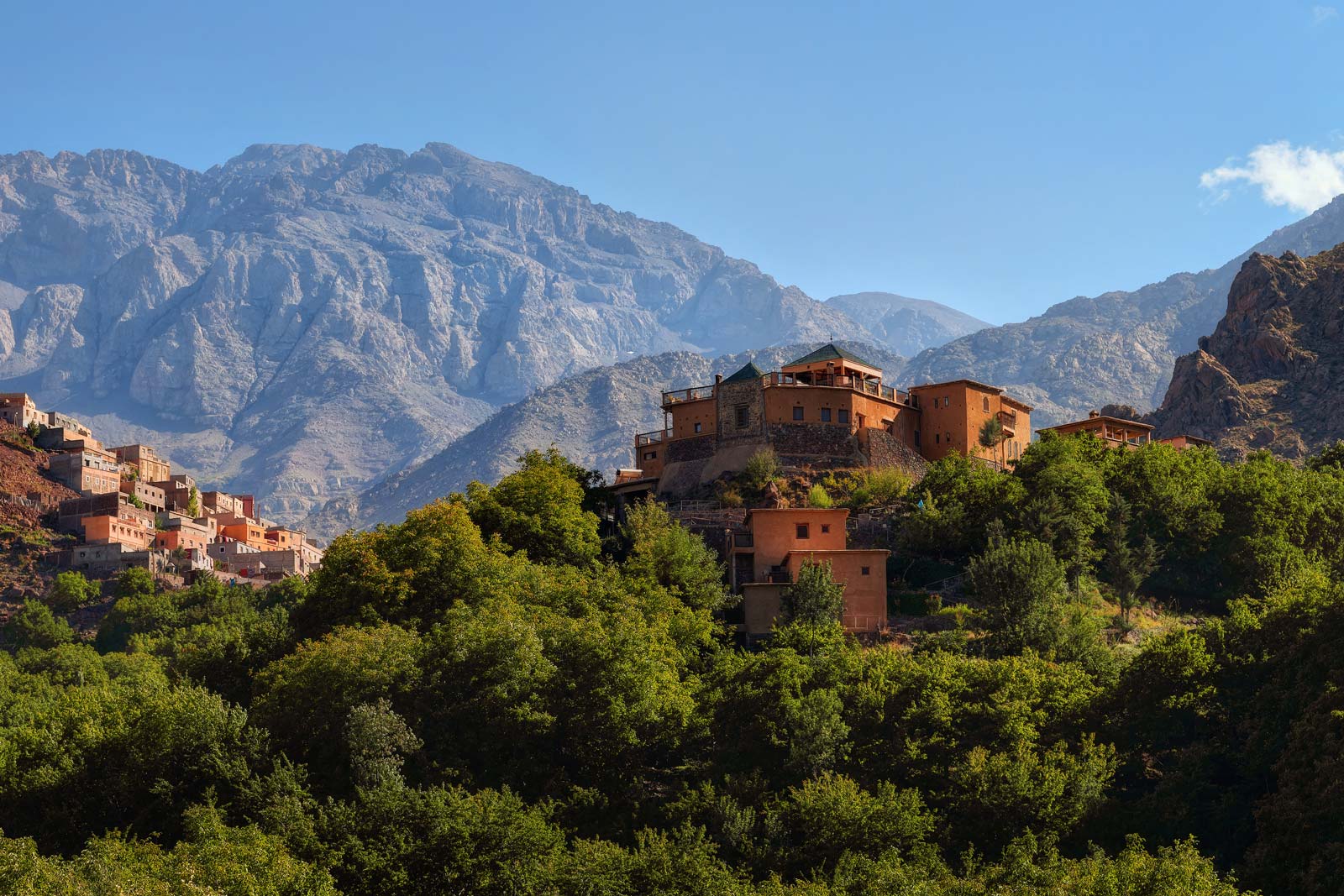
This is a landscape of extraordinary contrasts: snow-capped summits that loom over palm-fringed valleys, medieval kasbahs balanced on rocky spurs, and terraced fields of barley and saffron carved into near-vertical hillsides. For trekkers, it is nothing short of a revelation.
The Toubkal Circuit: A Classic for Good Reason
The most celebrated trek in the Atlas is the Toubkal Circuit, a multi-day loop through the Mizane and Ait Mizane valleys that culminates in a sunrise summit of Jebel Toubkal.
On our guided Mount Toubkal Trek, we have chosen the best of this classic route. Our trek starts in Oukaimeden, with a short climb to the Addi Pass with magnificent views of Oustik valley and distant peaks of the Toubkal mountain range. Dropping off the Oukaimeden plateau, the Tachddir valley opens up as a surprisingly lush, working Berber landscape — terraced fields, a handful of quiet villages, and a cold stream underfoot, with serious peaks still looming above. We wind down this valley and gently up to the village of Imlil, a bustling trailhead full of mule handlers, guide agencies, and the scent of fresh mint tea.
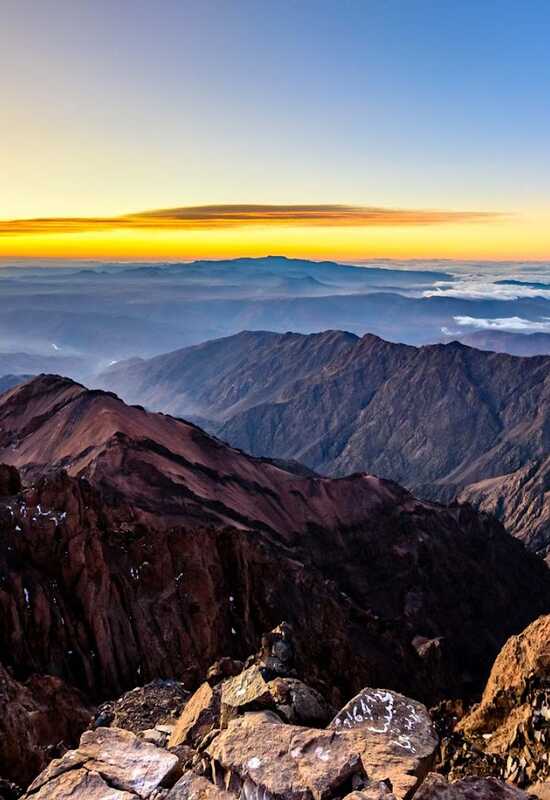
From here, the trail climbs steadily through walnut groves and past the shrine of Sidi Chamharouch — a white-painted boulder balanced improbably above the river — before opening onto the barren, scree-strewn approach to the Toubkal Refuge. Spend the night at the refuge at 3,207 metres, acclimatise, and set out before dawn to catch the summit in golden light.
From the summit of Toubkal, we pick our way back down the scree to the refuge, then follow the valley path back to the bustle of Imlil — a satisfying end to a serious trek.
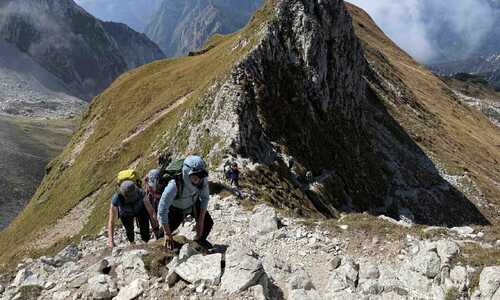
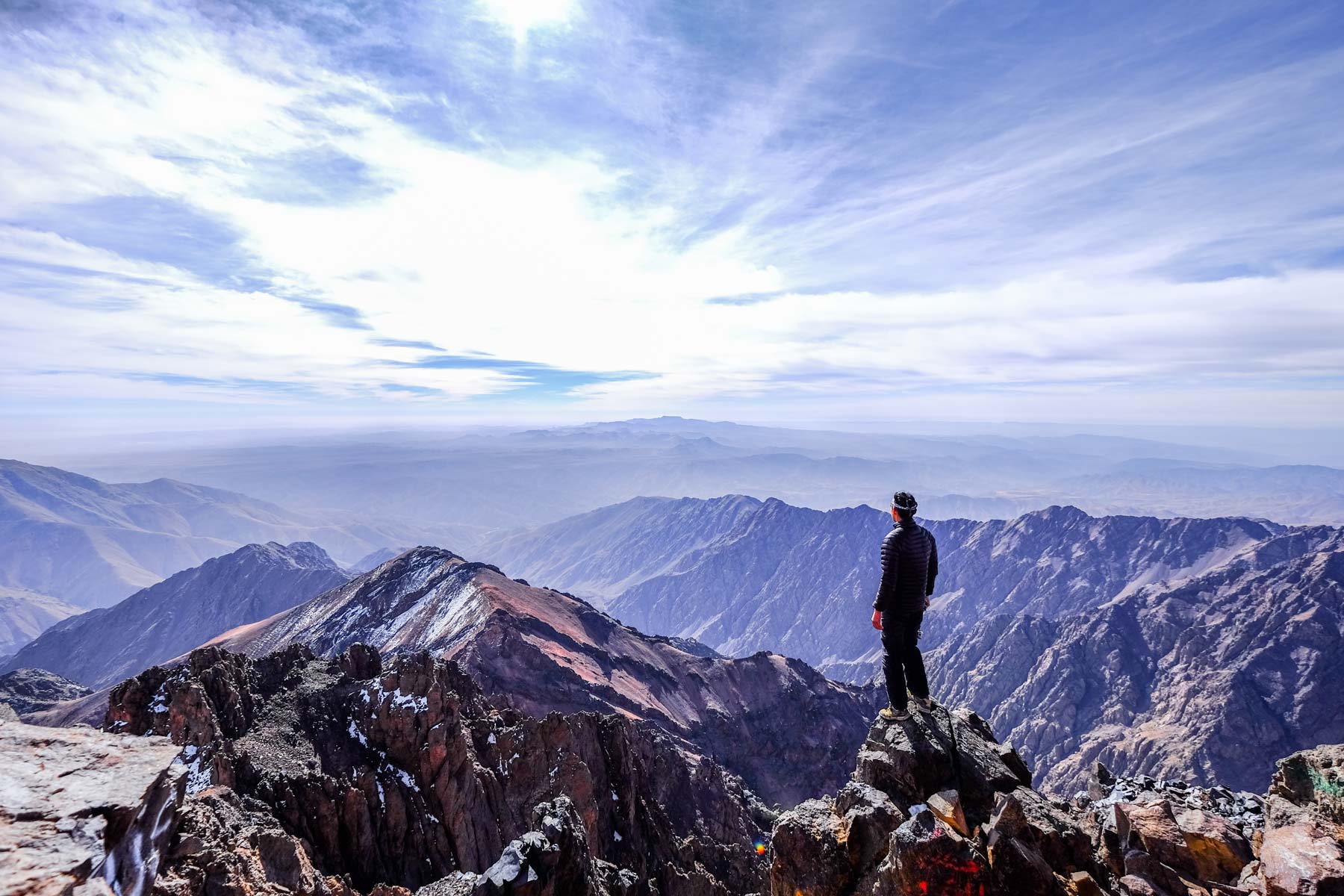
The mountain itself requires no technical climbing skills in summer — just strong legs, good lungs, and a willingness to embrace the discomfort of altitude. The reward is a panorama that stretches, on a clear day, all the way to the Atlantic coast.
Berber Culture: The Heart of the Experience
To walk in the Atlas is to step into the world of the Amazigh (Berber) people, whose ancestors have cultivated these mountains for thousands of years. Many villages are accessible only on foot or by mule, and life here follows rhythms unchanged for generations. Children wave from rooftops, women weave under shaded terraces, and elders gather in the village square as the sun sets behind jagged ridgelines.
Staying in a local gîte d'étape — a simple family-run guesthouse — rather than a tent gives you a genuine connection to this culture. Evenings unfold around a shared tagine of slow-cooked lamb and preserved lemons, accompanied by sweet mint tea and, if you're lucky, an impromptu drumming session that goes long into the mountain night. Our treks are guided by local Amazigh guides who grew up in these valleys: their knowledge of the terrain, the weather, and the people transforms a walk in the mountains into a genuine cultural exchange.
When to Go
The Atlas Mountains are a year-round destination, but the experience varies dramatically by season. Here is a quick guide:
Spring (March–May): Snow is melting, wildflowers carpet the valleys, and the Rose Festival takes place in April. Days are warm but evenings are cool and refreshing.
Summer (June–August): Ideal for high-altitude trekking including the Toubkal summit. Days are hot in the valleys but bearable above 2,500 metres. This is the busiest season.
Autumn (September–November): Our favourite season and when we usually go trekking. Excellent visibility, fewer crowds, and the harvest transforms the valleys with colour. Highly recommended.
Winter (December–February): A serious undertaking. High passes close and Toubkal requires crampons and ice axe. Ideal for experienced winter trekkers or snowshoers who want the mountains entirely to themselves.
Practical Tips Before You Go
Fitness: The Toubkal summit demands a solid base of aerobic fitness. Start training with regular hill walking three months before departure. See our guide on Fitness and Preparation.
Altitude: Acclimatise properly. Spend at least one night at the refuge before attempting the summit, and descend immediately if symptoms of altitude sickness develop. Depending on weather conditions, we spend the night at the refuge and start our ascent for the summit early the next morning.
Kit: Layers are essential — temperatures swing wildly between valley floors and high ridges. Waterproofs, sturdy trekking boots, sunscreen, and a warm sleeping bag are non-negotiable. See our Trekking Kit List.
About the Author