31/05/2026
At the southern tip of the Andes, where the sky seems wider and the silence deeper, lies one of the most extraordinary landscapes on Earth. Los Glaciares National Park, a UNESCO World Heritage Site in the Argentine province of Santa Cruz, is a place of staggering natural power — a 725,000-hectare wilderness of ancient ice, turquoise lakes, wind-sculpted steppe, and native forests that have endured for millennia. Home to the third-largest ice field in the world, its iconic glaciers — Perito Moreno, Upsala, Viedma — draw visitors from every corner of the globe, standing as humbling reminders of the planet's deep history and fragile future.
Yet beyond the famous walls of ice, in the Northern Zone of Los Glaciares National Park around El Chaltén, a quieter story is unfolding. The trails that weave through the park's forests and grasslands, the soils that anchor its slopes, and the native plants that hold entire ecosystems together are under pressure — from erosion, from poorly drained slopes, from decades of heavy footfall, and from a longer history of cattle ranching and horse use that has left its mark on certain sectors. Park authorities have already redesigned and improved some trail sections, but significant challenges remain. The very access that allows people to fall in love with this place has, in parts, taken a toll on it — and the work of undoing that damage is far from over.
That's where restoration begins.
Through our conservation partner, EOCA, we are proud to support Fundación Anfibia, a locally rooted conservation organisation working at the heart of this landscape, to support a bold and practical effort to heal what has been worn away. Through trail restoration, soil stabilisation, native plant propagation, and deep community involvement, this project is not just repairing a park — it is reimagining what long-term stewardship of a World Heritage landscape can look like.
Thirty-five kilometres of degraded trail to restore. Ten thousand native plants to grow and transplant. Ten priority erosion and flood-prone areas to stabilise. Forty local people to train. Two hundred and fifty people to engage directly in the work of bringing this landscape back.
The scale is real. The need is urgent. And the people doing it know this land better than anyone.
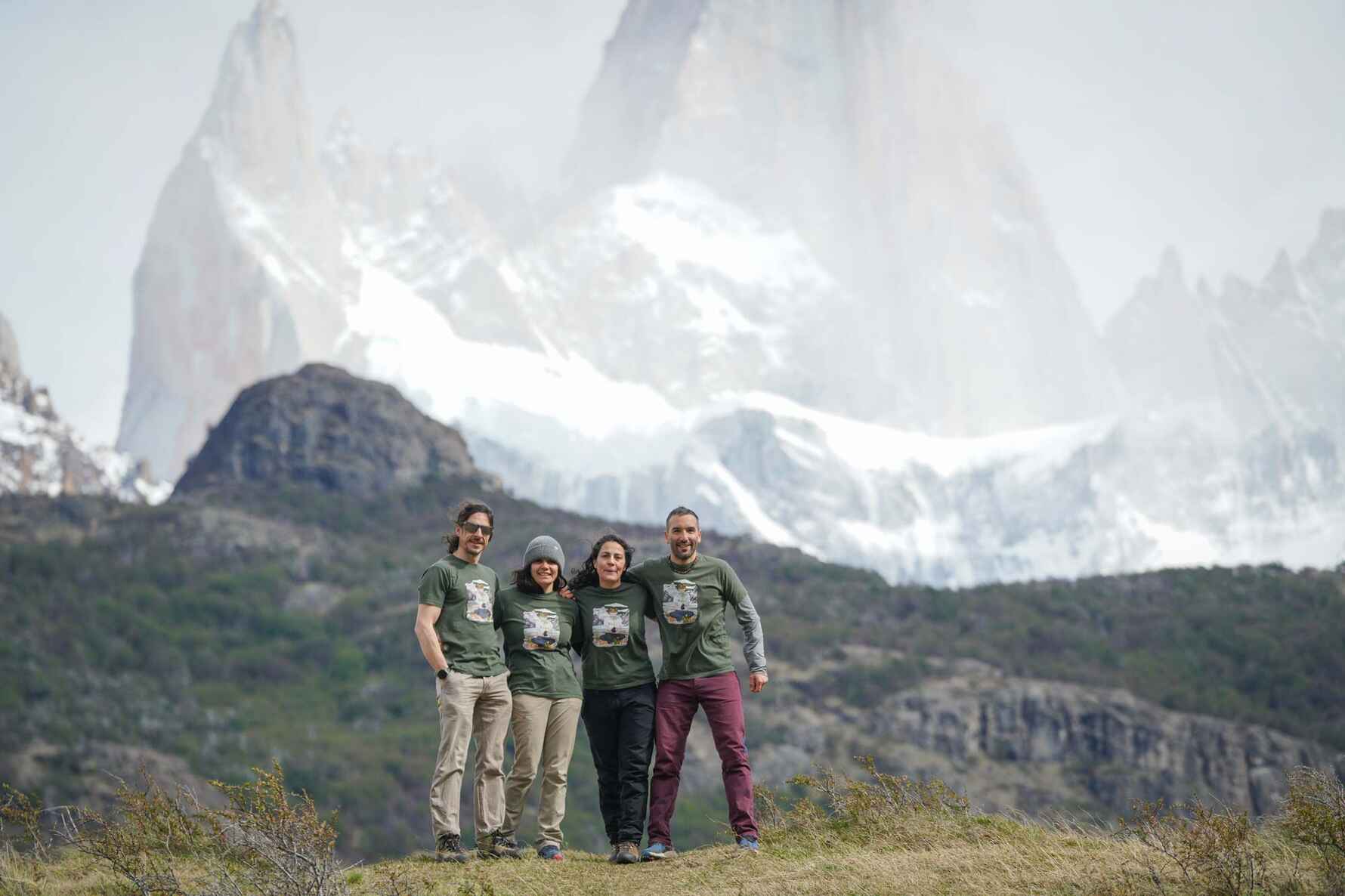
Here's how it works.
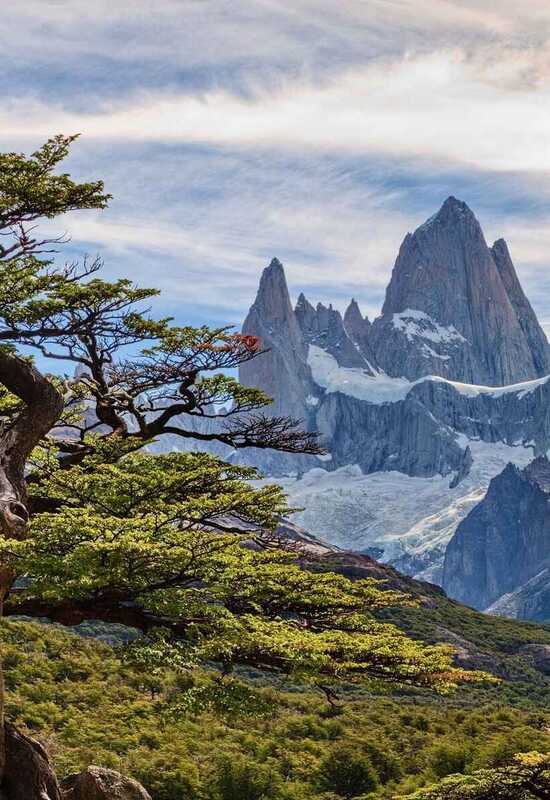
In Los Glaciares National Park, thousands of people hike daily through the shadow of the majestic Mount Fitz Roy — and it is here, on these well-worn trails, that Fundación Anfibia is doing something quietly radical. Through their programme "Contagiando Nativas" (Spreading Native Plants), they are not just restoring a landscape. They are rebuilding the relationship between people and the land beneath their feet.
That work started not with a spade in the ground, but with a conversation. In the project's early stages, Fundación Anfibia brought together park rangers, technical teams, and protected area authorities to jointly design restoration strategies rooted in a real understanding of how this territory moves, erodes, floods, and recovers. They walked the trails. They observed the problems firsthand. And together, they mapped a common path forward.
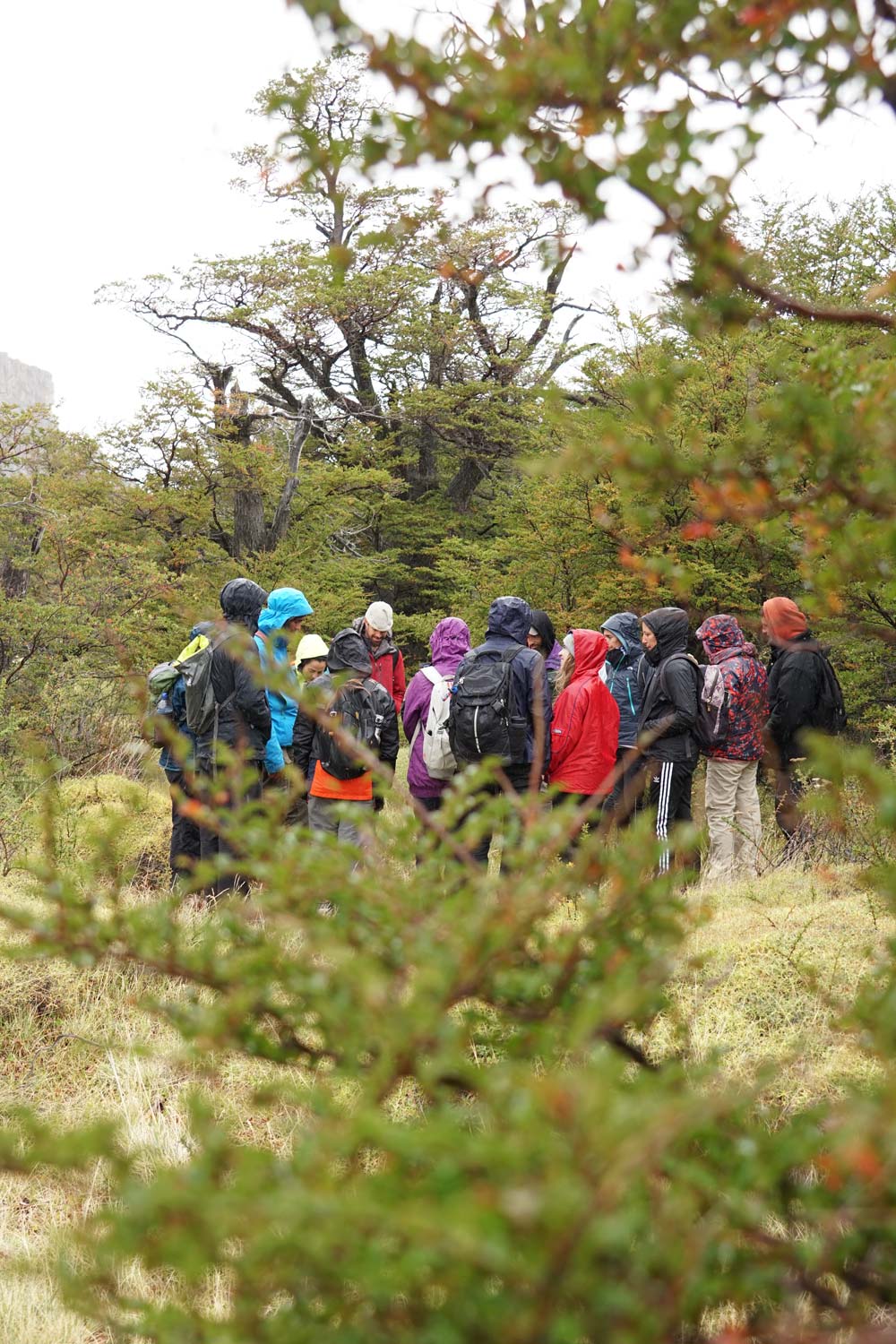
On the technical side, that collaboration has already produced something tangible. Working alongside the Southern Patagonia Regional Directorate, the team has developed a dedicated trail monitoring system — a survey methodology designed to diagnose the current condition of trails and provide a framework for ongoing monitoring into the future. On-site surveying has begun, putting that methodology into practice for the first time. The data gathered will feed directly into a joint phase with Los Glaciares National Park to identify and prioritise the restoration areas the project will tackle first. At present, three main trail systems have already been diagnosed. This methodology is intended to be shared with other protected areas across Southern Patagonia, potentially through future workshops and technical exchanges with regional conservation staff, so that it can be replicated elsewhere.
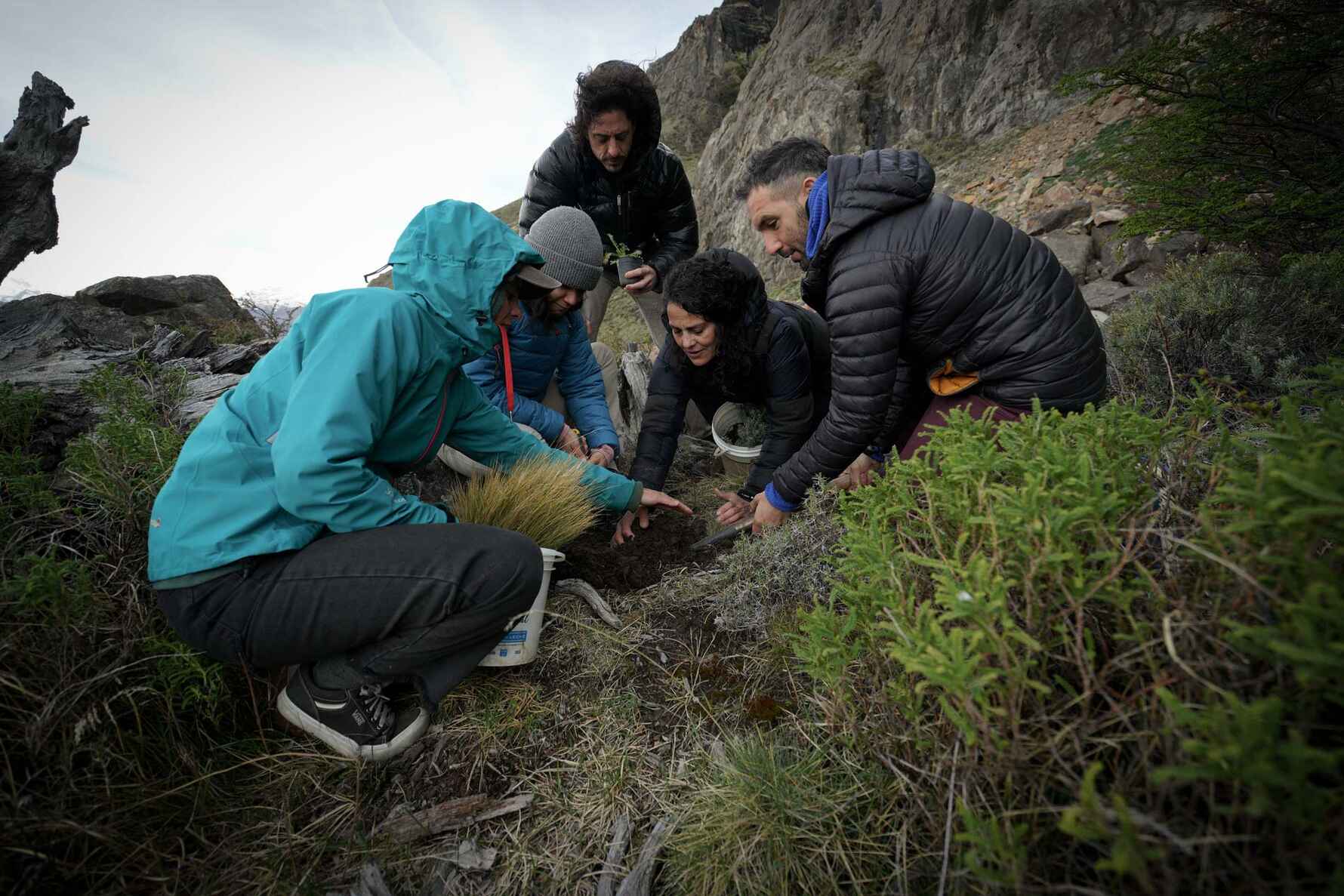
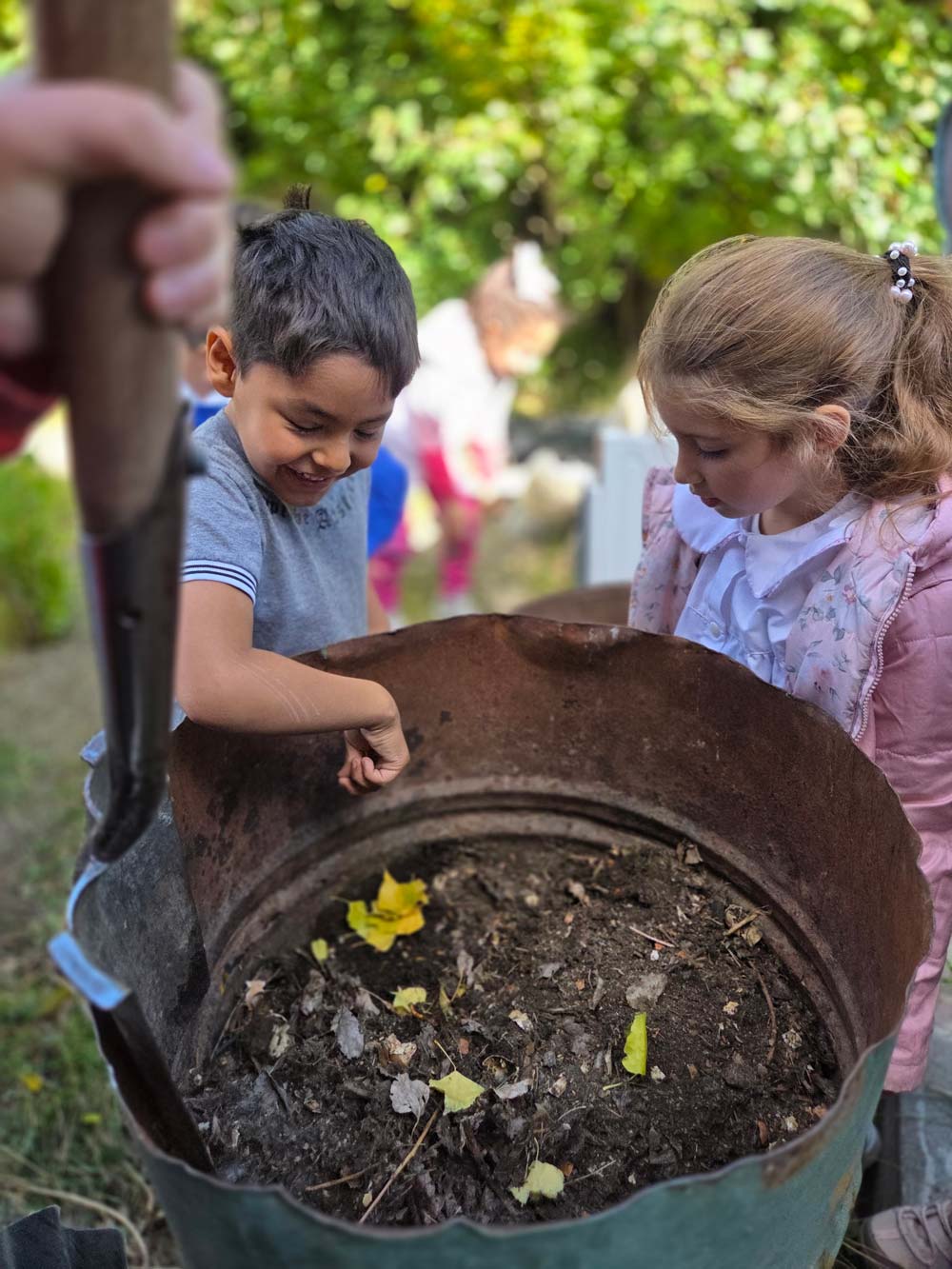
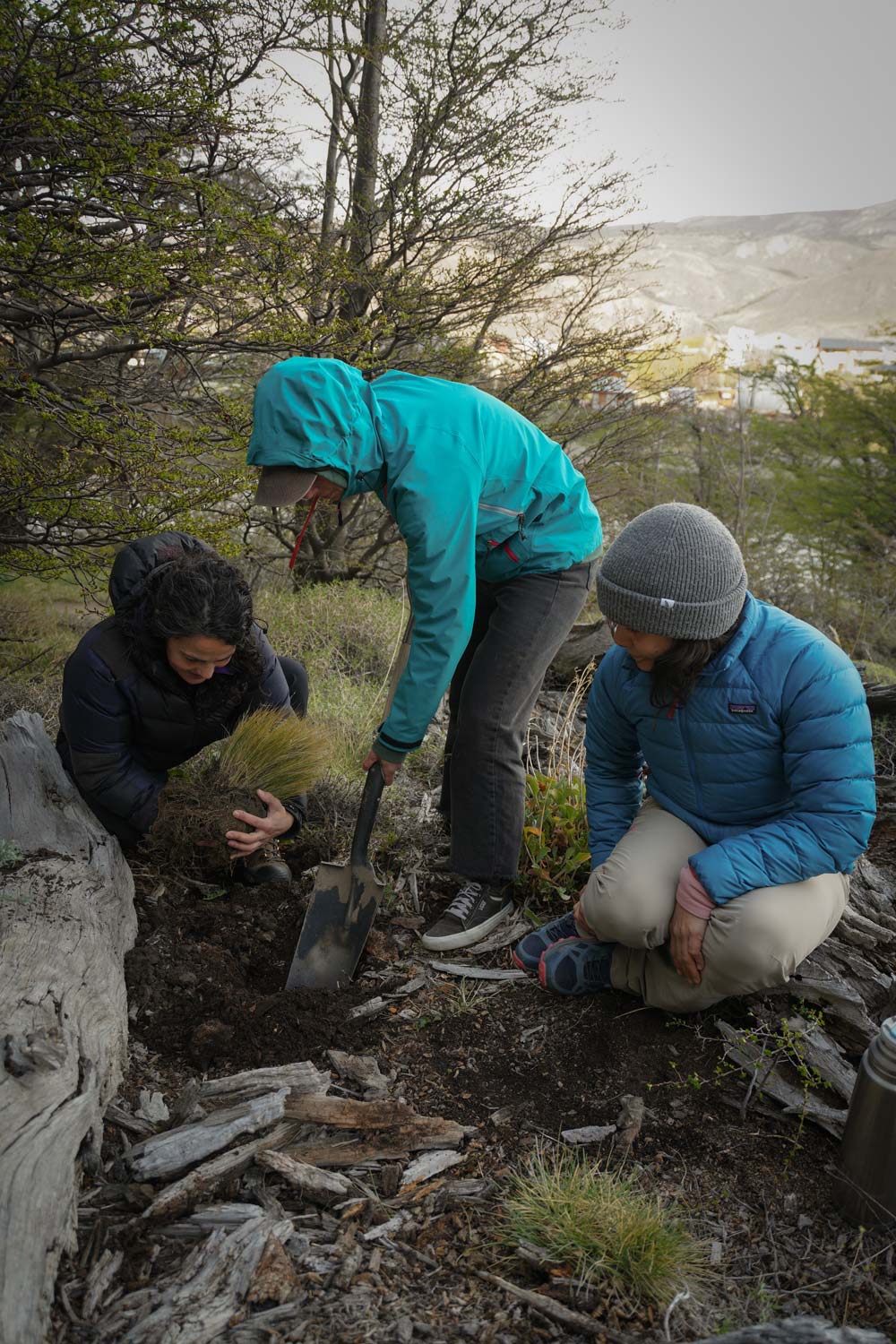
Community action has been running in parallel. Two composting workshops were delivered at the local primary school, working with students across different year groups on soil health as the bedrock of any restoration process — and leaving a permanent compost bin behind as a practical legacy. A dedicated training day equipped volunteers with the skills and best practices for responsibly collecting native seeds within a protected area. Several collection outings followed, and those seeds are now in storage, ready for germination next summer.
Next up: in June, the team will launch its first plant rescue days — carefully timed to align with the natural biological cycles of the species involved — giving dormant and at-risk plants a second chance before the season turns.
Every one of these steps is foundation work. Because restoration is not simply about planting — it is about understanding, caring, waiting, and showing up together. The most visible results are still to come. But what is already happening is what makes those results possible.
With the support of committed organisations and individuals, this work can grow in scale and sustain itself over time — gradually transforming how communities across Southern Patagonia live alongside, and care for, their landscapes.
About the Author