31/03/2026
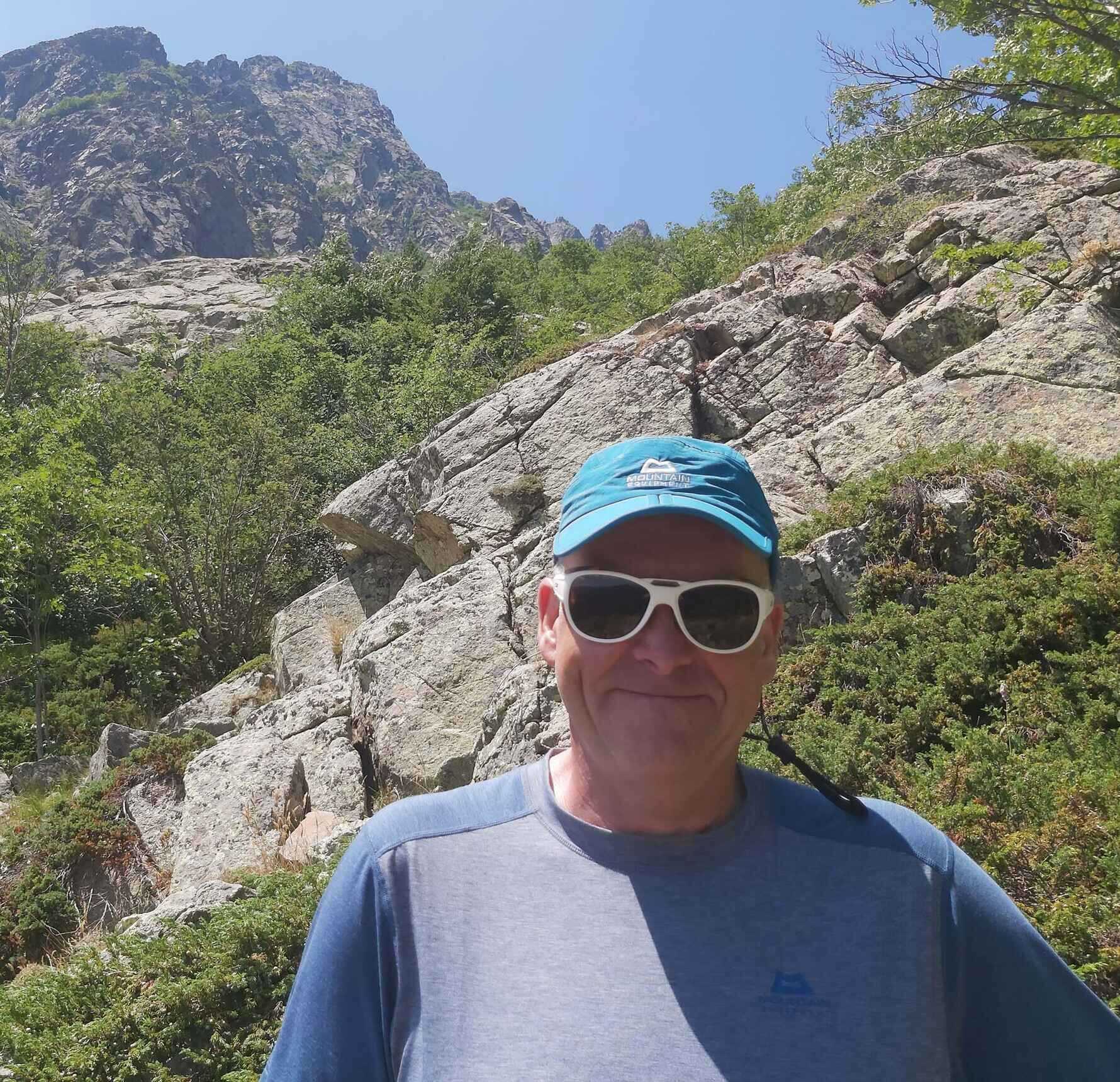
Next in our series on our expert guides, is Gary Hodgson. As part of the MBT team, he is one of the longest standing guides on the team. We get to find out what drives Gary and what makes him a knowledgeable trekking guide.
What brought you to the mountains, to Chamonix?
I have been visiting the Chamonix valley and surrounding areas for many years, long before I became a qualified guide. Chamonix is surrounded by some of Europe’s most beautiful mountains and walking trails, and the region is very accessible from anywhere in Europe.
Can you tell us a bit about your background and how you became a trekking guide?
Although I grew up in an urban environment in Merseyside, I soon discovered in my teenage years a love for the countryside. It was with my local mountaineering club in Liverpool that I had my first taste of the mountains, first in the Lake District and North Wales, and later in Scotland.
After working in a variety of fields including engineering and construction, I soon realised my career would lie in mountains. Over time, I gained a number of mountain-leading qualifications and I set up my own guiding company in the Scottish Highlands.
How long have you been guiding, and what regions or mountains have you worked in?
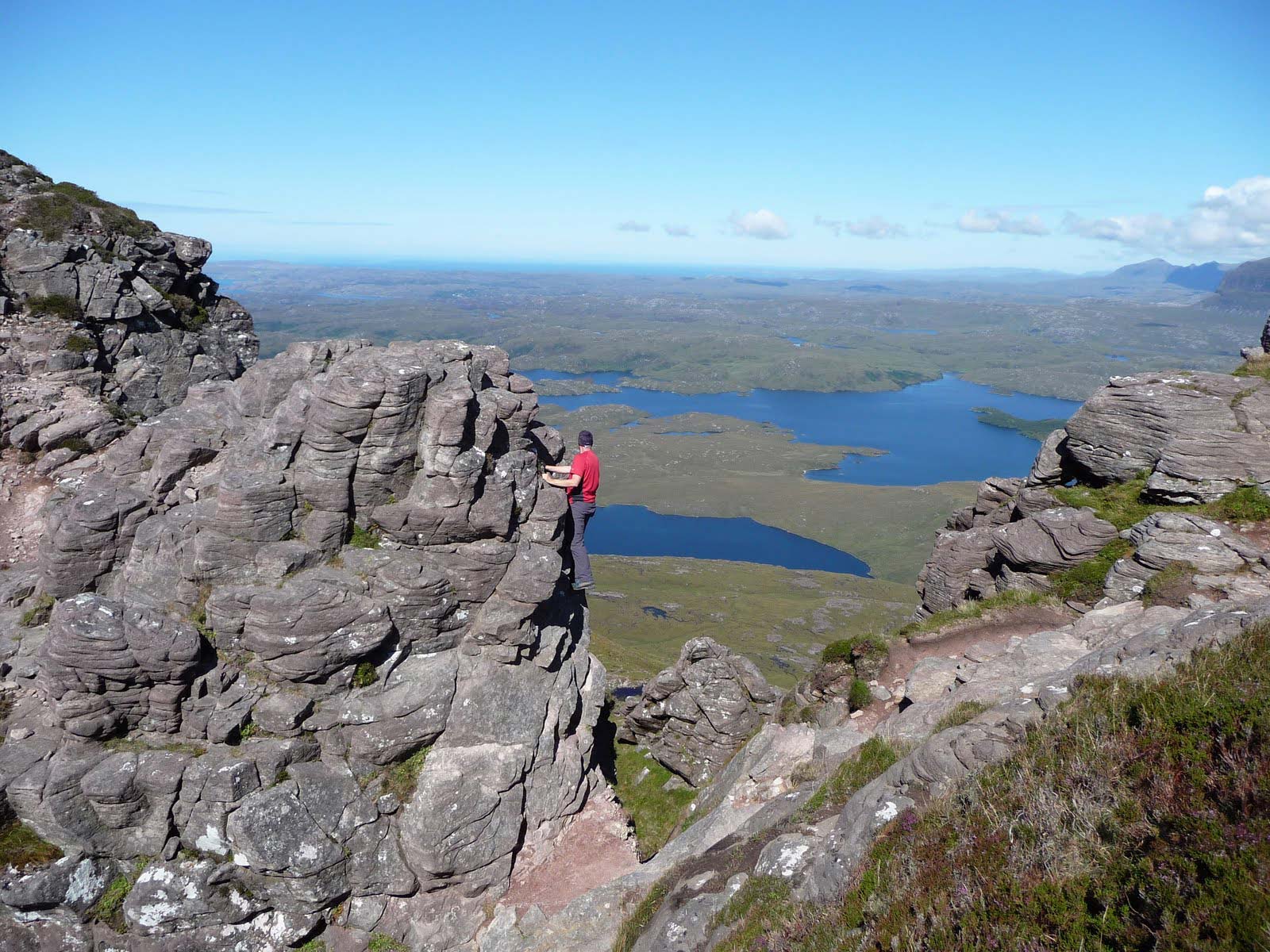
I have been guiding groups for over 25 years. A huge chunk of my guiding has been in Scotland, France, Italy and Switzerland, but I have also guided in the Alicante Mountains in Spain and Patagonia (Including the Los Glaciers National Park and a trip across the Southern Patagonian Icecap). I have also guided groups on Elbrus in Russia.
What certifications or training programs have you completed?
I am a fully qualified UIMLA leader for trekking tours in the Alps and further afield. I hold the Summer & Winter Mountain Leader qualifications to guide groups in Britain. I am also a qualified Mountain Bike Leader. Every year, I participate in professional development training such as First Aid, Security on Steep Ground, as well as undertaking courses in Ecology, Environment issues, landscape and wildlife photography.
What made you decide to join Mont Blanc Treks?
Over the last two decades, I have worked with numerous trekking tour companies. My first guiding experience with Mont Blanc Treks (MBT) was the Tour de Mont Blanc ten years ago. MBT has been by far one of the most supportive, professional and efficient guiding companies that I have had the pleasure of working with. Sara (owner of MBT) puts the needs and wishes of her customers at the forefront of operations and she responds quickly and effectively to any issues that arise.
What key skills are essential to being a successful guide?
Apart from the guiding credentials, you need excellent people skills. You are dealing with travellers from all over the world from diverse backgrounds and cultures and varied degrees of walking experience. Patience, professionalism, flexibility and good humour are all key components of a successful trip.
How do you prepare for a new trek?
A new trek is a new opportunity for me to explore somewhere different. Where possible, I usually try and do the trek myself first. I do as much research as I can and take extensive notes on terrain, flora and fauna as I go around. I also talk to other guides who are more familiar with the territory.
What equipment do you always carry, and why?
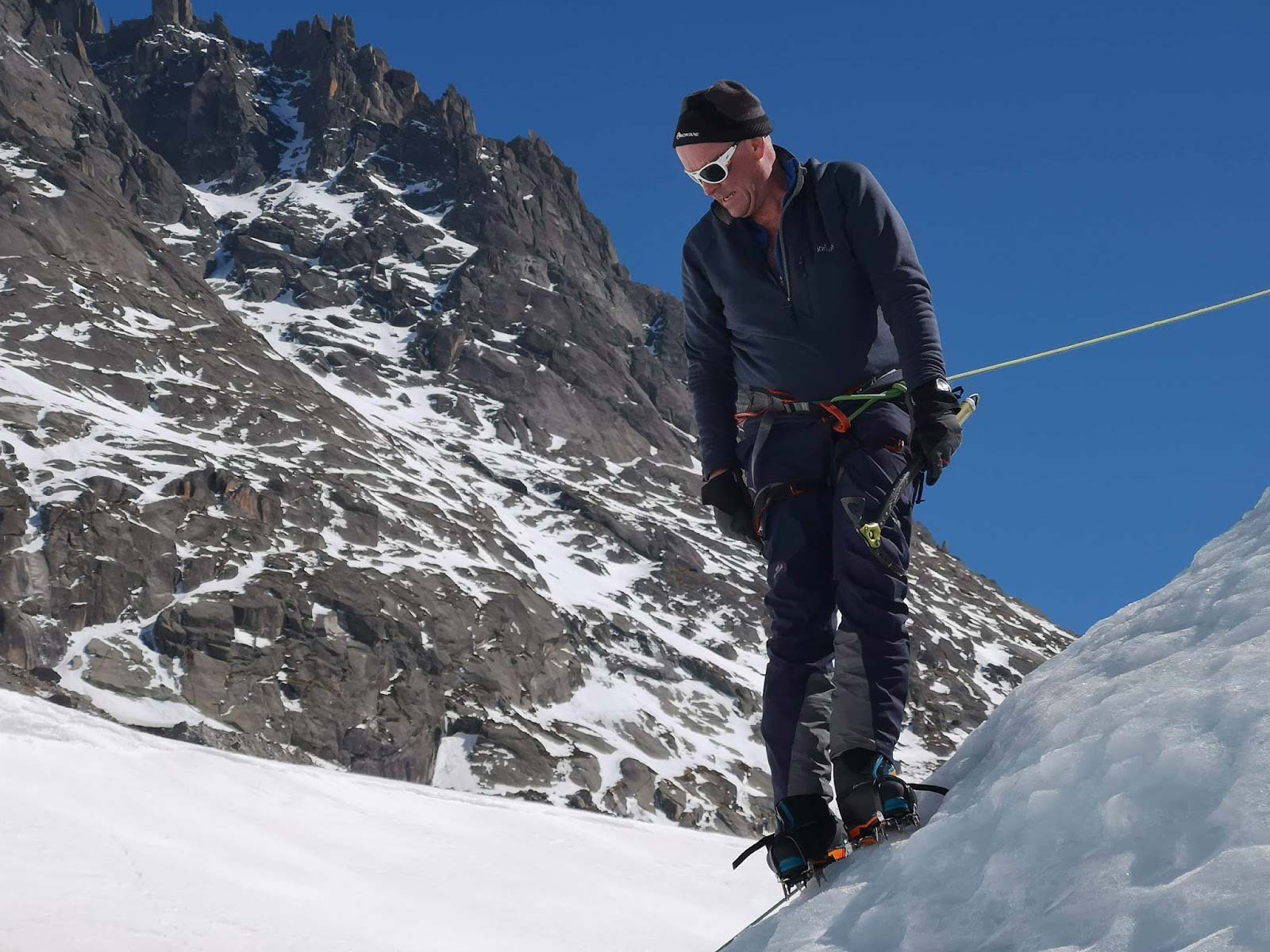
Waterproofs, warm clothing, and the correct footwear are essential for every trip to the mountains, no matter the season. Walking poles are optional, but I always carry them. Guides always carry a map and compass of course, as well as an SOS device or a satellite phone such as InReach. Guides also need to carry a First Aid kit. There are times when underfoot conditions mean that an ice axe is useful in order to help the group across any snow fields.
How do you assess the risk level of a trek?
Most treks are graded in guidebooks and of course the company thoroughly assesses the risk before advertising any trek. Most of the time it is about assessing the individuals in any given group and their ability, confidence and fitness before and during the trek. The weather can make a trek more difficult. In terms of risks, the main elements to consider might include thunder and lightning, eroded trails, flood-damaged paths, and fallen trees.
Can you describe a time when you had to handle a dangerous situation?
One of the main reasons for securing a guide on a trip is so that group members can avoid encountering a ‘dangerous’ situation. Advance planning and preparation are key to ensuring that hikers are not at risk in the mountains. All my efforts go into this. For this reason, I have not had to deal with any significant incidents. There are of course unpredictable elements, which is where flexibility and training come into play.
What emergency protocols do you follow in case of an accident or sudden weather?
In the event of an accident, the group members' and the leader's safety are the first considerations before administering any first aid. Once safety is established and appropriate essential first aid is given, a phone call to mountain rescue can be made. Next to follow is contact with the tour operator that you are working for.
With regards to a sudden change in weather conditions such as thunder and lightning, we may have to take a diversion in terms of the planned route or find an alternative way down. However, close analysis and understanding of the weather forecast in advance, which in the Alps is usually very accurate and reliable, is essential at the planning stage.
Heavy snowfall and/or high winds can be problematic, even in August. This is usually only one or two days per season. Again, we would look at alternative trails. As a last resort, we might have to miss that day's walk and head to our accommodation via public transport.
How do you educate and prepare clients about safety measures before a trek?
Before the first day of every trek, we have a welcome talk where the leader shares information about the entire trek to the group. Much of this information will have already been sent weeks beforehand. During my talk, I highlight the fact that it is a guided trek and that my primary role is everyone’s safety, comfort and enjoyment.
What are the biggest challenges you face as a trekking guide?
We are guiding groups from all walks of life, fitness levels, experience in walking, cultures & personalities. Not everyone knows how they will manage on a multi-day trek. Trying to keep each and every member of the group happy and comfortable and going at a pleasant manageable pace for everyone is THE biggest challenge for any leader. This is where the group members themselves have a big part to play.
What do you find most rewarding about your job?
Knowing that I have helped people have a happy, interesting, fulfilling experience in the mountains. I hope to inspire folk to spend more time outdoors and give them a better understanding of the countryside, wildlife and culture.
Have you ever had to turn back from a trek? How do you handle disappointed clients?
Thankfully, turning back and not completing a trek is a very rare occurrence. We may have had to miss a day due to adverse weather or a damaged section of trail. This is unusual though, and in these situations most agree that this is the right action to take in terms of safety and wellbeing.
How do you assess the fitness and skill level of your clients?
All the treks we run are graded in terms of difficulty and required fitness levels. The website gives very detailed descriptions of all the treks we run. If any clients aren't sure of the trek grades, they can discuss it with the office staff before signing up.
It is ultimately up to the client to assess their own fitness level and choose a trek that best suits them. Sometimes they can overestimate or underestimate their abilities, even after reading all the information on the website. When they are on the trek, it is usually within the first few hours of day one that a trek leader knows whether or not they have booked on to a trek that is within their capabilities.
What advice do you give to first-time trekkers?
My main advice is to do plenty of walking back home, well before the trek begins. This can be difficult for many clients as they may be a long distance from any mountains or trails in their home town. In that situation, they may have to find alternative ways to improve their overall fitness. Walking, cycling or going to the gym are all good ways to prepare. Being used to regular exercise before starting a trip pays dividends. Being in the right condition will ensure that the trip is much more enjoyable and rewarding.
How do you manage group dynamics, especially under stressful conditions?
I take time to get to know each individual member of the group. I try to anticipate any potential areas of conflict or concern and manage them before they escalate and become an issue. Being sensitive, caring and understanding with each member of the group creates a more relaxed and collaborative atmosphere.
What measures do you take to minimise environmental impact during expeditions?
Getting to and from the airport to the start locations of the trek is remarkably easy and efficient by public transport, so I always encourage clients to use buses and trains. Private taxis are expensive and not very environmentally friendly.
Whilst on the trek, I urge folk not to buy plastic water bottles with their packed lunches. The water in all our accommodation is perfectly drinkable and there are many natural spring water fountains on the popular treks.
How do you educate clients about responsible trekking and conservation?
Wildlife and the environment are at the forefront of my appreciation of wild areas. I often share the knowledge that I have gathered over the decades on flora and fauna and what we can do to protect that environment in terms of waste disposal and avoiding disturbance.
I am also very happy to identify and discuss what I have learned about wildflowers, the local geography, and the animals we may encounter along the way. I believe the more we know about the environment and the greater the interest and enthusiasm we can inspire, the more likely it is that people will try and protect it.
What do you do when the hiking season is over?
My wife would tell you that I do exactly the same, but with fewer people. I climb mountains. I photograph wildlife. I guide other wildlife enthusiasts to places where they can safely photograph wildlife.
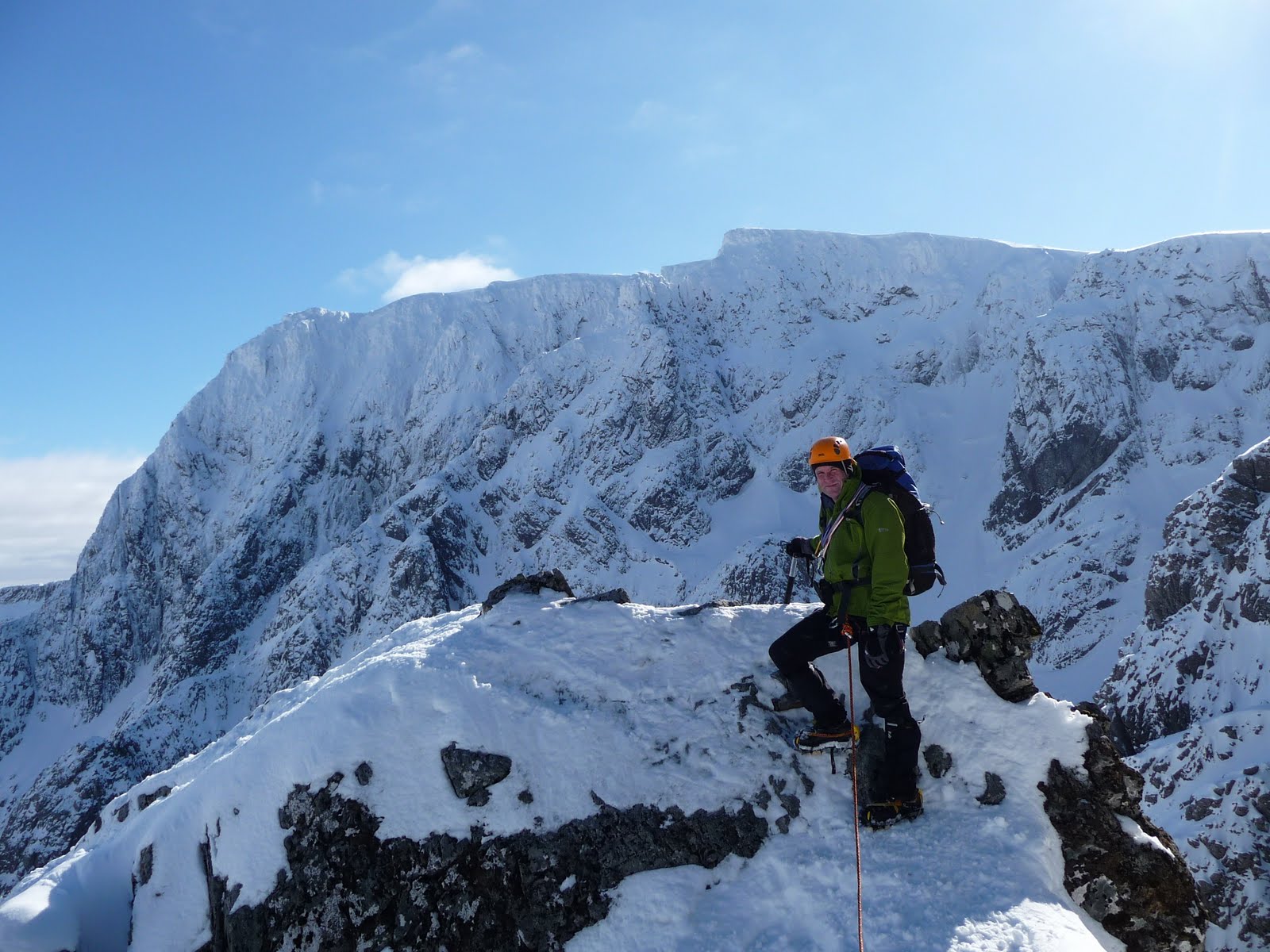
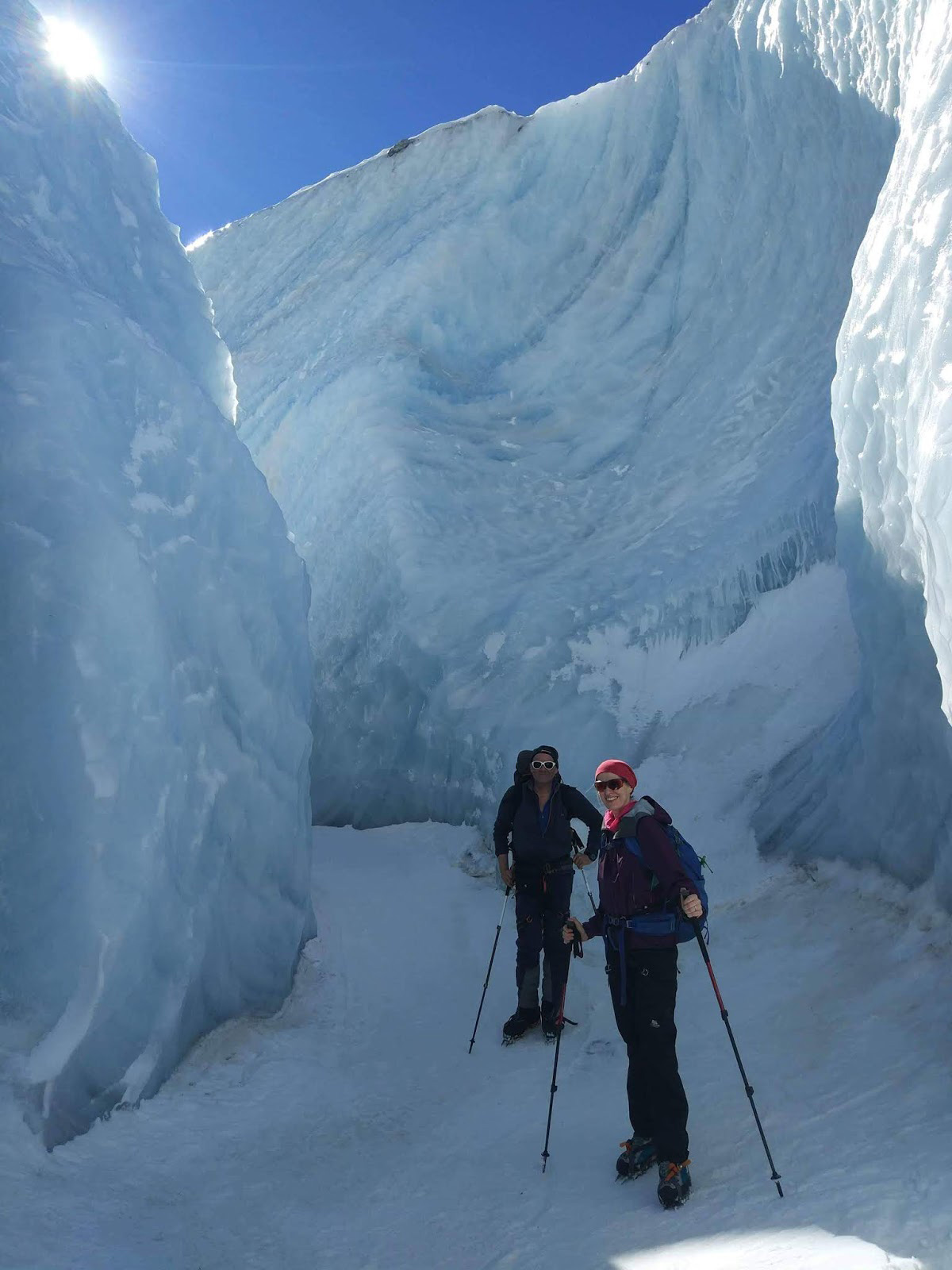
For me, trekking, walking and mountaineering doesn't end when the summer does. I run my own small guiding business here in the Scottish Highlands. Come rain, sunshine, hale, wind, or snow (I love snow!), you'll find me outside and in the hills.
What do you get up in your downtime?
I’m also a professional photographer and if I get an opportunity I’m out photographing wildlife or landscapes in the area. And on very, very rainy days, I edit my photographs.
What is your favourite mountain or trek, and why?
I love wild, cold and frozen landscapes – anywhere! The wilder the better. An Teallach in the Scottish Highlands is the finest mountain on the planet. It is my truly happy place.
What advice would you give to someone aspiring to become a guide?
Mountain Guiding is a wonderful way to explore and discover our beautiful planet. You get to share your days with people who have a similar passion and enthusiasm for all things 'outdoor'. However, if you want to make lots of money, then it may not be the right choice.
Don't do it because you love the mountains, do it because you live them. You live them no matter what, so you might as well get paid for it.
About the Author