20/12/2025
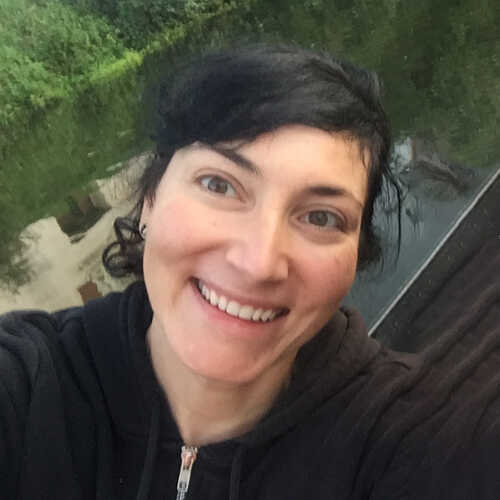
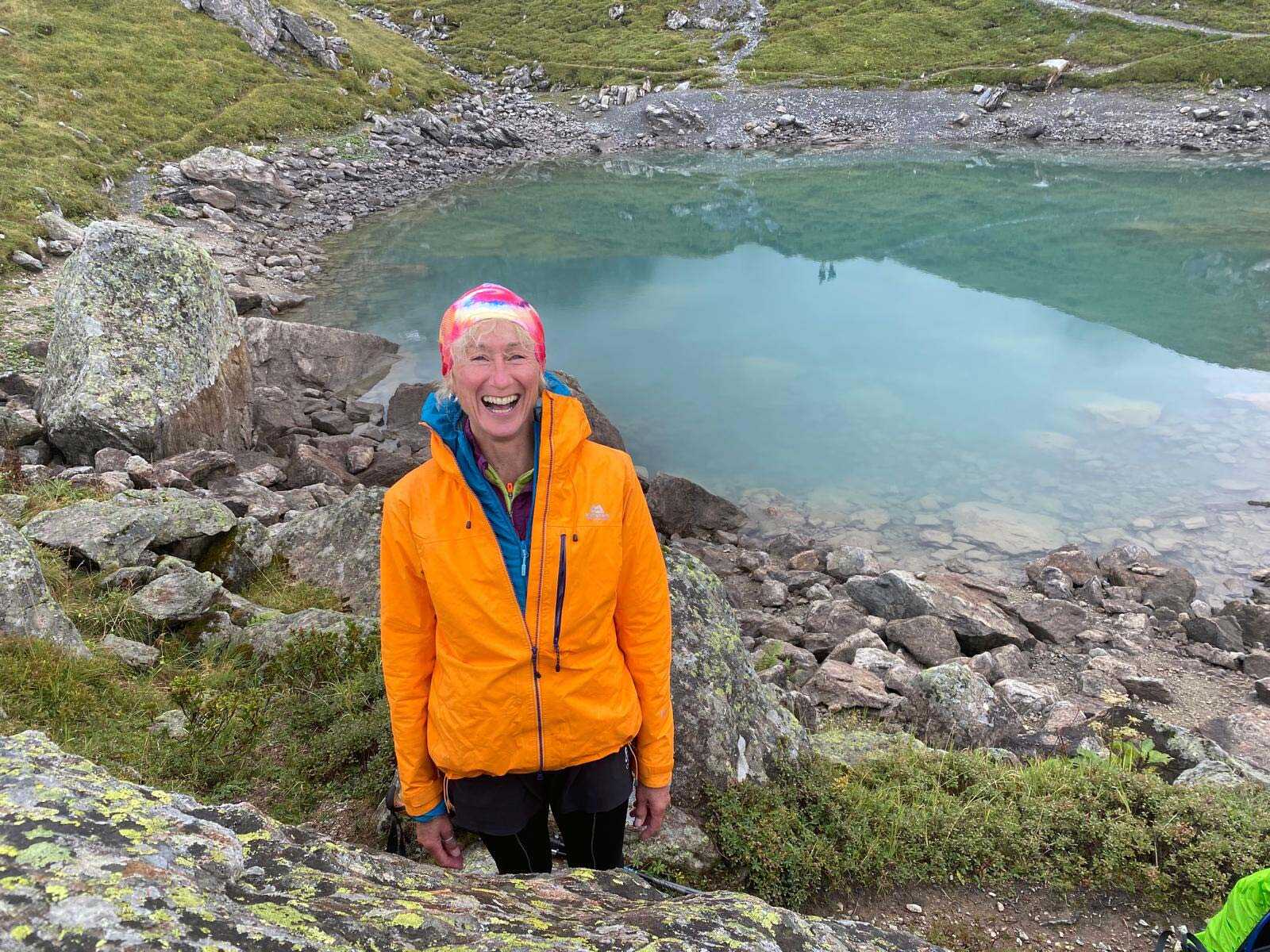
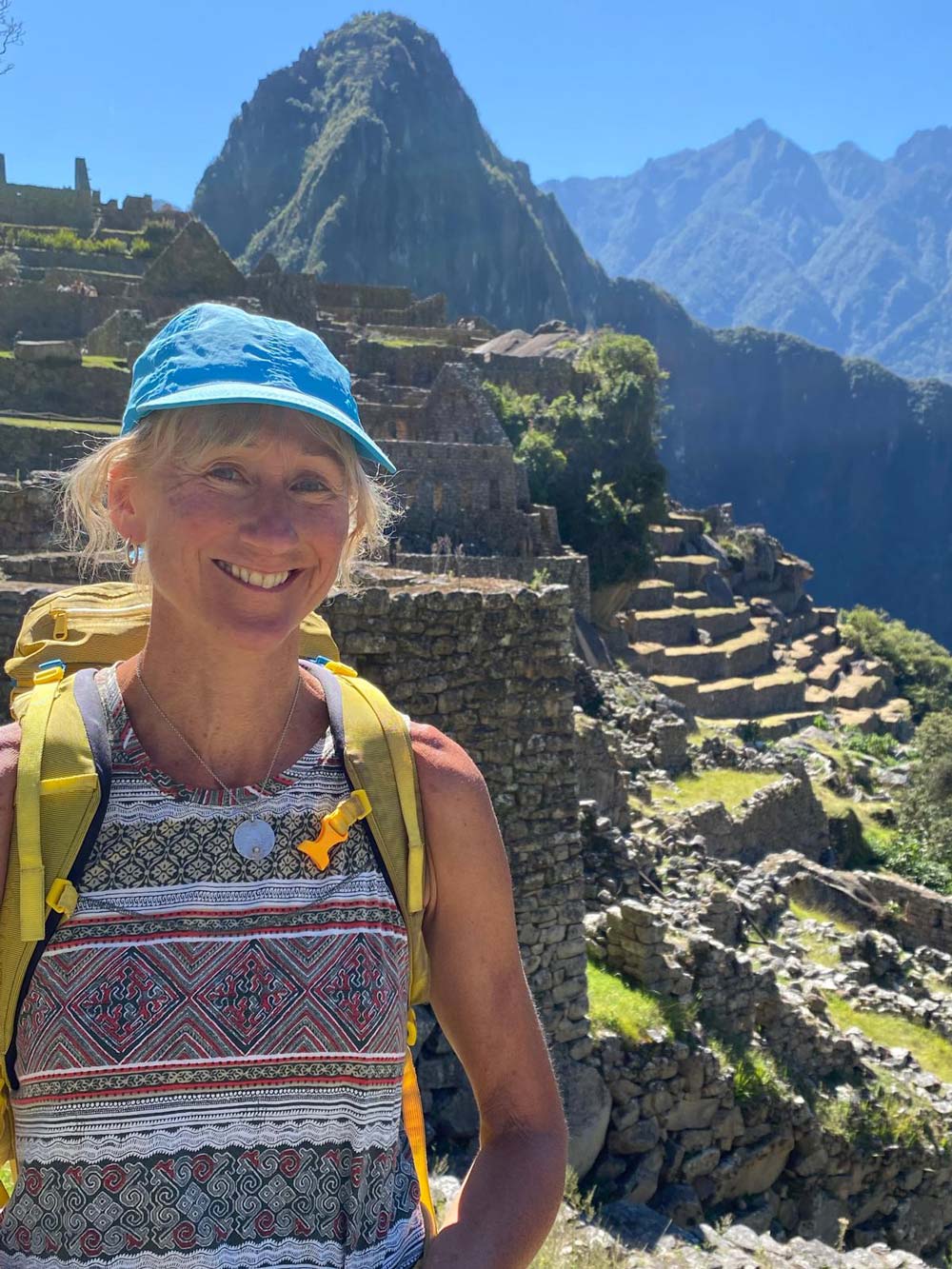
Continuing our expert series, today I interview Alex Langdon, one of our expert UIMLA guides, our Enquiries Responder and Itinerary Advisor. In dealing with enquiries, half her time at MBT is spent on dealing with enquiries and the other half as a trekking guide. Because of her experience in the mountains & as a guide it makes her such an asset to the MBT admin team.
Alex starts off by gently clearing up the differences in mountain qualifications as I had mistakenly used the blanket term ‘Mountain Guide’. As UIMLA (Union of International Mountain Leader Associations) Guides, they are qualified as Middle Mountain or Trekking guides, rather than High Mountain Guides, focusing on activities like hiking and trekking rather than technical climbing in high-altitude environments.
After learning something new on my part, we dove into our interview…
Can you tell us a bit about your background and how you became a trekking guide?
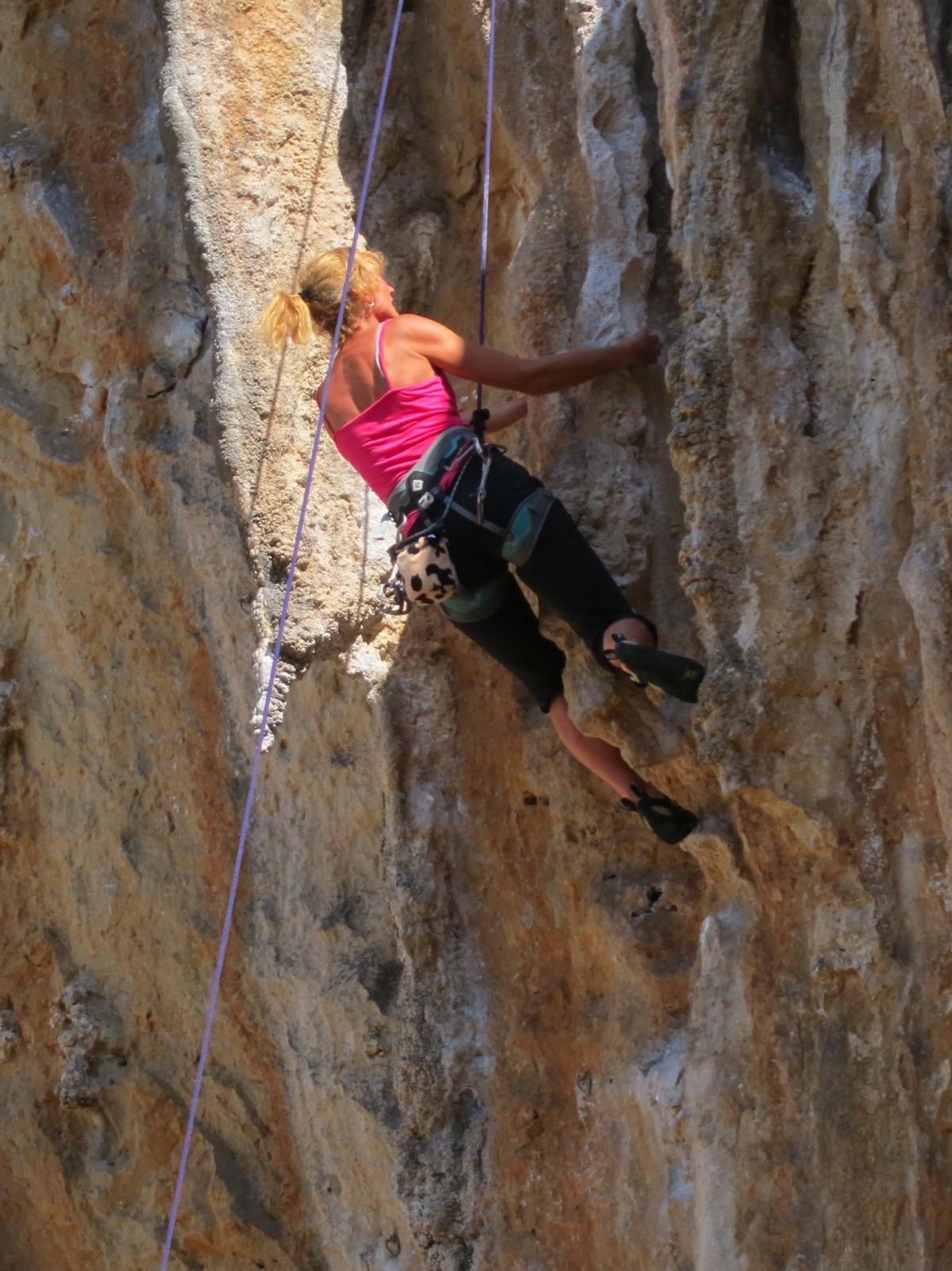
I come from an outdoorsy background. I did lots of ski-touring, mountaineering, climbing and trekking as my hobby but did a completely different job. I worked as an Outdoor Instructor in my 20’s, and then worked in the health field for over 20 years. I came back into this world to work again, about 20 years ago.
How long have you been guiding, and what regions or mountains have you worked in?
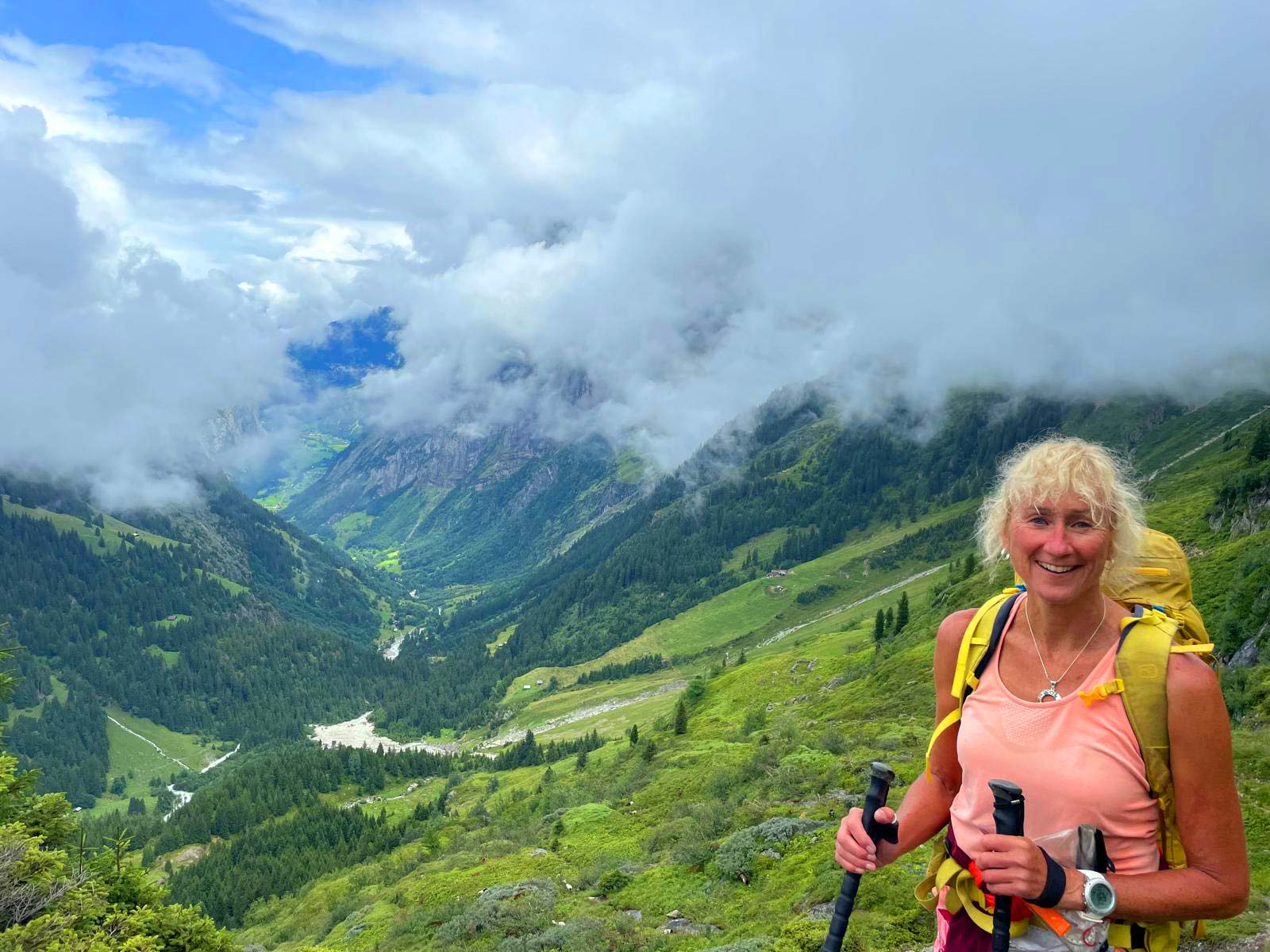
I’ve been qualified to guide in Europe since 2010, so 15 years. Through my work as a trekking guide, I’ve worked in the Himalayas, parts of Africa, the Andes and Patagonia, the Alps and the Dolomites, Iceland, Scandinavia and Greenland. I’m also a Mountaineering Instructor, and I’ve worked on several mountaineering expeditions in the Nepalese Himalayas as well as across Tibet, the Andes and the Altai Mountains in Mongolia.
What certifications or training programs have you completed?
Every country has its own certification scheme, if you’re British, which I am, you come through our mountain training organisation: the MTA and BAIML, and we have a load of background qualifications in order to even be allowed to go on the training course for the IML (International Mountain Leader) award. If you're an IML, your own country's organisation (British would be BAIML, French would be SNAM) would each be part of UIMLA, which is the international umbrella organisation. By default, you end up being a member of UIMLA. We would all have to be a member in order to be allowed to work.
So I have the UIMLA certification, the Mountaineering Instructor Award (MCI), and I have a couple of degrees as well: a BA in Geography and International Politics and a BSc in Osteopathy which have all been incredibly useful in my job as a trekking guide.
What made you decide to join Mont Blanc Treks?
I'd been working already for several years for other trekking agencies, and I've been very lucky. They've all been good. I haven't worked for a bad trekking agency, and I should say that, but they do all vary. I bumped into Sarah when I was working for another trekking agency I was guiding. She was picking up some clients in Italy. We got chatting, and then the next year, I did one trek for Mont Blanc Treks, and slowly I've done more. And then slowly all my work is for MBT and I answer the enquiries as well.
What key skills are essential to being a successful guide?
I hope it goes without saying that you have to be competent in the mountains, all the time, in any weather, and that's the benchmark, the start point. I think we're probably all really different, but I think a sense of humour is massively important. A bucket-load of patience and enjoying spending time with people… because fundamentally, the job is about looking after people, and if you don't enjoy that, then you’d hate the job. You need to be massively flexible, not physically(!), but there is often lots of problem solving. So those are the chief skills, and not really anything to do with the mountain side of it, because that's taken as read that you can already do that.
How do you prepare for a new trek?
I usually drag my partner, Russ, along and recce. He reciprocates by dragging me along to do the things he needs to do.
What equipment do you always carry, and why?
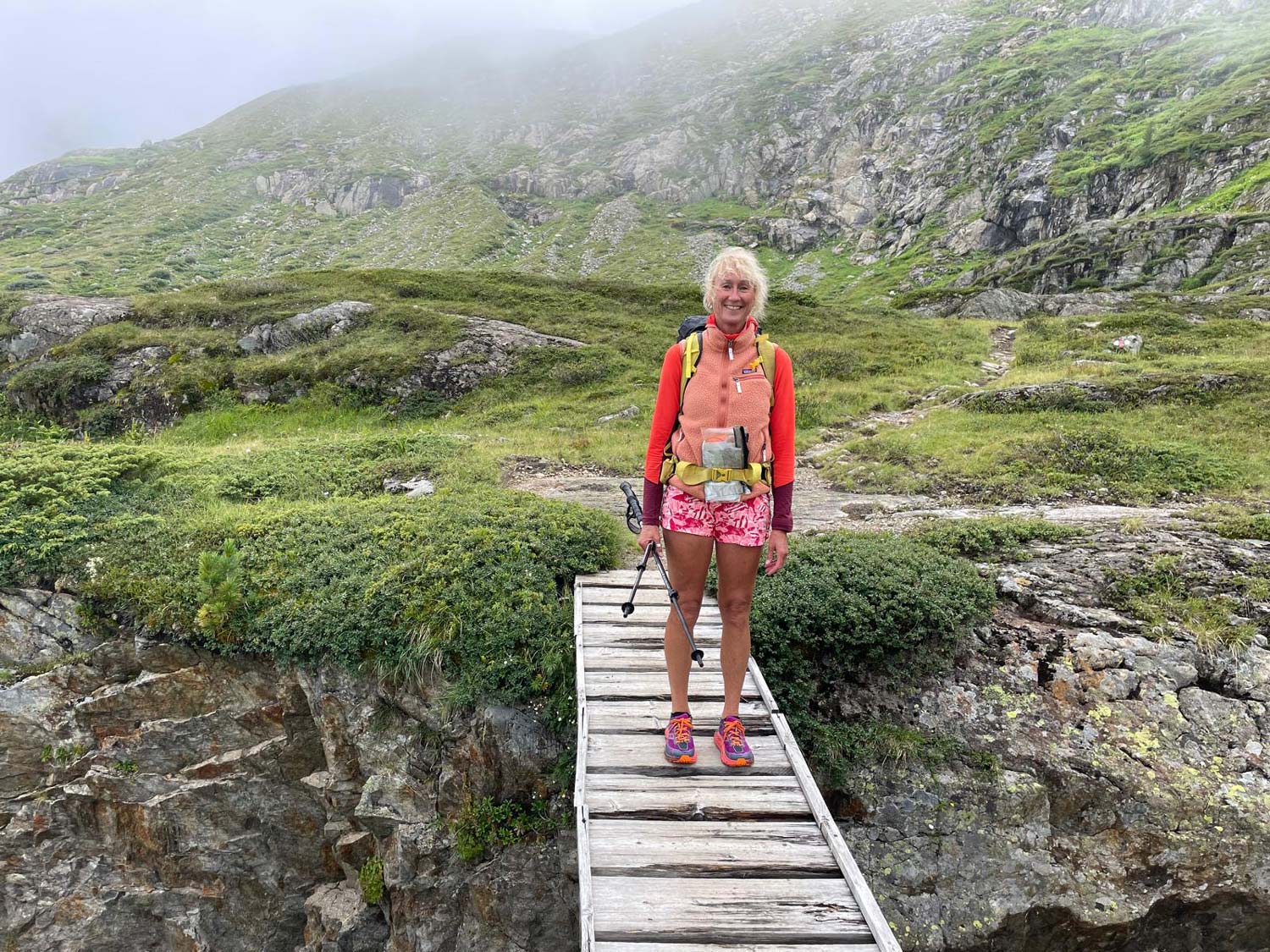
We have a Tekking Kit list of the sensible items like waterproofs, and first aid kits etc. and I take it as read that we all should carry that stuff. In addition to those standard things, I always carry a multi-tool, which is super useful because it's got a knife, but it's also got things like pincers, so really useful. What amuses the clients most is I often carry an umbrella. I've been called Mary Poppins a few times. When I worked in Nepal, a lot of the Nepalese guides carried umbrellas in warm, humid and rainy conditions, and I thought that was a good idea.
How do you assess the risk level of a trek?
Risk assessment is an ongoing judgement, and it changes with the terrain, the weather, but also the specific group that I'm working with. And I think all guides after a while, risk assess. We do it constantly, and I don't know that we're even aware we do it because it is just an ongoing thing.
Can you describe a time when you had to handle a dangerous situation?
There's been quite a lot of those over the years, but if we limit it to the TMB (Tour du Mont Blanc), then it reduces it massively. The snow on the route can change everything. An innocuous stream crossing that you'd see in summer for example. When it's covered by a snow bridge that's thinning out it can be a massive potential danger. I try to talk our clients through that and why I'm doing something and making certain decisions, which may be different to what they see other hikers doing. Once they understand, it's really interesting how they watch what other trekkers are doing and also think, no, that's the wrong thing to do. Very sadly, in 2024 two trekkers died on the TMB falling through snow bridges. I should point out that those were not Mont Blanc Treks clients. It's still very sad nonetheless, and they were, crucially both trekking solo. That's also worth mentioning, because those sorts of things might not happen if you're with someone, because they might have time to pull you out.
What emergency protocols do you follow in case of an accident or sudden weather change?
We all carry phones, and there's coverage on most of the TMB. I also carry a Mont Blanc Treks satellite phone, and an InReach device (a satellite communicator that allows you to send and receive messages, share your location, and call for help when you're out of cell phone range while trekking). Thankfully, accidents for us on the TMB are really unusual. I've not had to call out the rescue services yet. I think it's important to mention that accidents are incredibly rare, but they do happen, but on the TMB at least, we've got helicopter rescue really close by. Weather emergencies are really rare because forecasts now are so brilliant that we rarely have an emergency weather forecast, but you quite often have to change what you're doing because of the weather.
How do you educate and prepare clients about safety measures before a trek?
As part of the Enquiries team, I send information out on the difficulty of the route, the fitness level required and the kit needed for the TMB right from the first email. Obviously, if someone's not fit enough in a guided group it isn't safe, and it can actually endanger the rest of their team members and the rest of us. But I always try to explain the reasons why I'm doing anything when the groups are actually with me. I think that if you explain why you do something, then people understand, and once someone understands, they're much more likely to do what you're asking. So if we go back to the snow bridges example, once people understand why I'm asking us to walk maybe 10 metres apart, or one at a time, or cross here, not cross there, once they know why you're doing that, they'll do it and wait and ask and check, whereas if you don't explain it, they just think you're being officious. I think it's really important that everyone understands that safety measures only work if people actually do them.
What are the biggest challenges you face as a mountain guide?
My biggest challenges are keeping up with everything that I need to do at home when I'm not at home, and keeping up with the work life balance. When you're not at home for 10 days on the trot, paying the bills or the bank balance or the credit card, and then staying in touch with friends and family is actually something you have to work at. So it's actually not the job...I love the job, that bit's easy, it's everything else.
What do you find most rewarding about your job?
I love all of it! I think the nicest thing being a guide, is when you see a group of people arrive, they don't know each other from a bar of soap and by the end of the trek, they build as a team during the trek, then they support each other, then they look after each other when people are unhappy or need encouragement. And then by the end of the trek, and we've all got round, they all celebrate together, and they've become, in those 10 days, a support network, family, whatever you want to call it, but a group of people who've experienced something very much together. I think any group of people who have experienced a challenge together, whether that’s the army or whatever, there's a bond there, usually forever. So I enjoy that. I enjoy watching people bond and change and support each other.
Have you ever had to turn back from a trek? How do you handle disappointed clients?
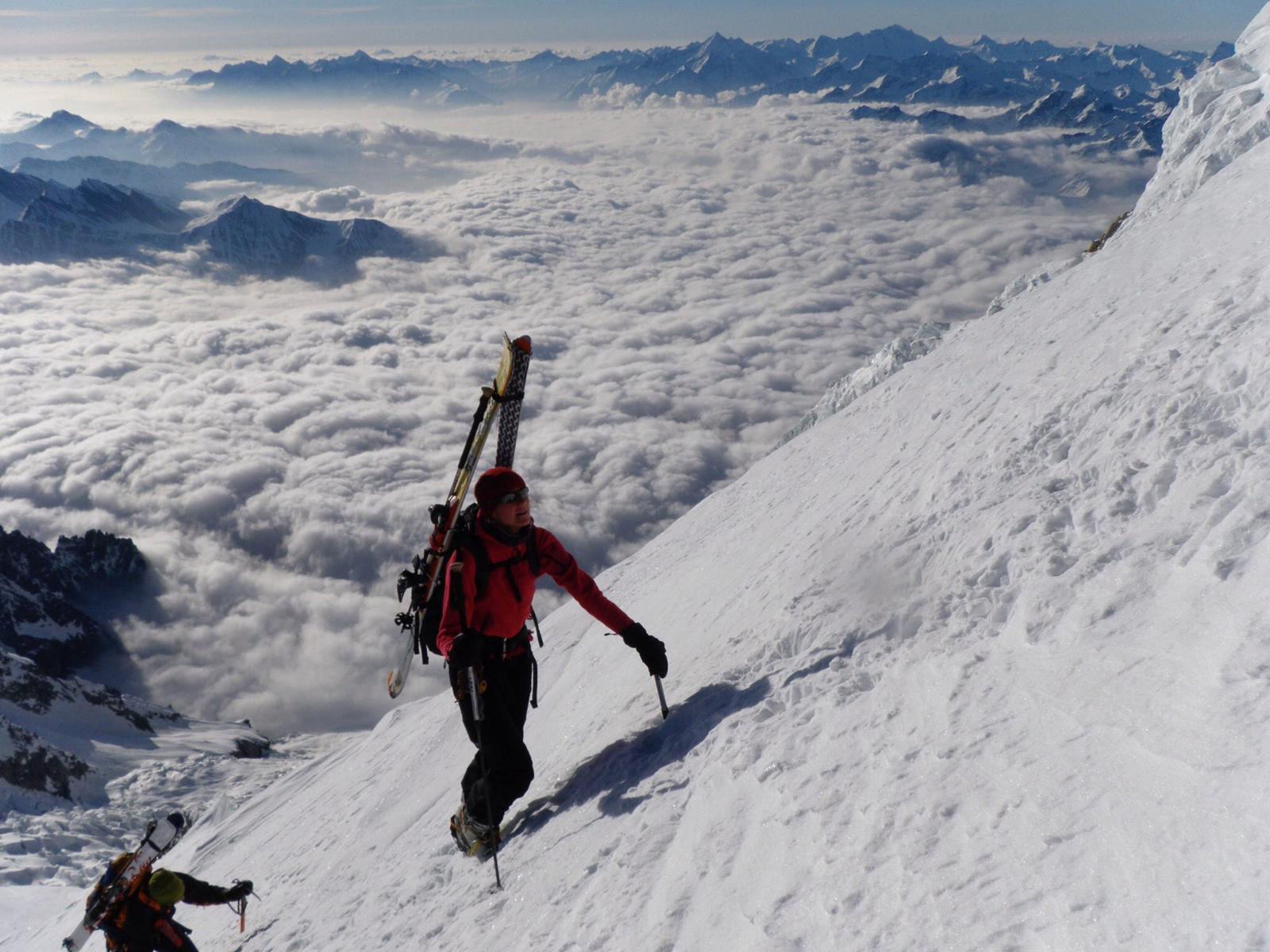
I've never had to turn back from a TMB trek. I've had to alter what we might do that day if there's huge amounts of snow on the ground or weather conditions are so vile, but that's actually really rare while trekking. For mountaineering, I have had to turn back from summit attempts but I would always say that I would rather be disappointed today and stay alive to be able to come back tomorrow. I would say that the occasional disappointment is a small price to pay.
How do you assess the fitness and skill level of your clients?
We send out a trekking experience form, and you can get some idea how much fitness somebody does from that. But actually on a piece of paper, it's almost impossible, because what people have done in the past doesn't always reflect how fit they currently are. The truth is that as a guide, you assess people on the terrain on day one, because that's the only time you can do it. Looking at people in the room when we all meet up doesn't do it because we all come in different shapes and sizes. It's nothing to do with weight, height or age. For the fitness needed, you don't need to be an Olympic athlete. Two of the fittest people I had this summer, had never really trekked regularly before. One was a cyclist, and one was a tennis player. So people don't have to have done multi-day treks before in order to be trekking fit. They just need to regularly do something and also understand that they are going uphill and downhill, that this is not a flat hike.
It's just a steady fitness, a stamina fitness too, where you can get up and do the same thing the next day. It's not just a physical game, it's a head game as well, because you need to be prepared and want to hike because trekking isn't for everyone...why should everybody enjoy a 10-day, or a multi-day trek? It would be total misery for lots of people.
What advice do you give to first-time trekkers?
I think it’s a good idea to have done a little bit of trekking before you sign up for a multi-day trek. It might look great on Instagram, but you might absolutely hate every second and then you’re committed to 10 days. So even if you aren't a trekker, before you sign up to something like the Haute Route or the TMB, I would absolutely go out trekking with somebody for a day here and a day there. Then there are the really obvious things like what you're wearing on your feet and if your feet are comfortable in them for long hours. Whether it's boots or trail runners, good clothing is essential and for first time trekkers, you can often borrow kit or buy from generic stores. You don't have to buy everything from expensive brands.
How do you manage group dynamics, especially under stressful conditions?
I would say it changes every time with the group and what the stress factors are. In my opinion, that’s one of the hardest skills to have acquired, and being slightly more mature helps. I think clients pick up on the confidence level of their guide. I am very comfortable hiking in the Alps, so I’m at ease here. Also not patronising somebody and telling them ‘not to worry’ if they are not at ease… it's really important to listen to someone's concerns and stresses and to actually address them. I think often, if there's an issue building in a group or for one person, then it's important to address it and get it resolved, although that isn't always possible.
What measures do you take to minimise environmental impact during expeditions?
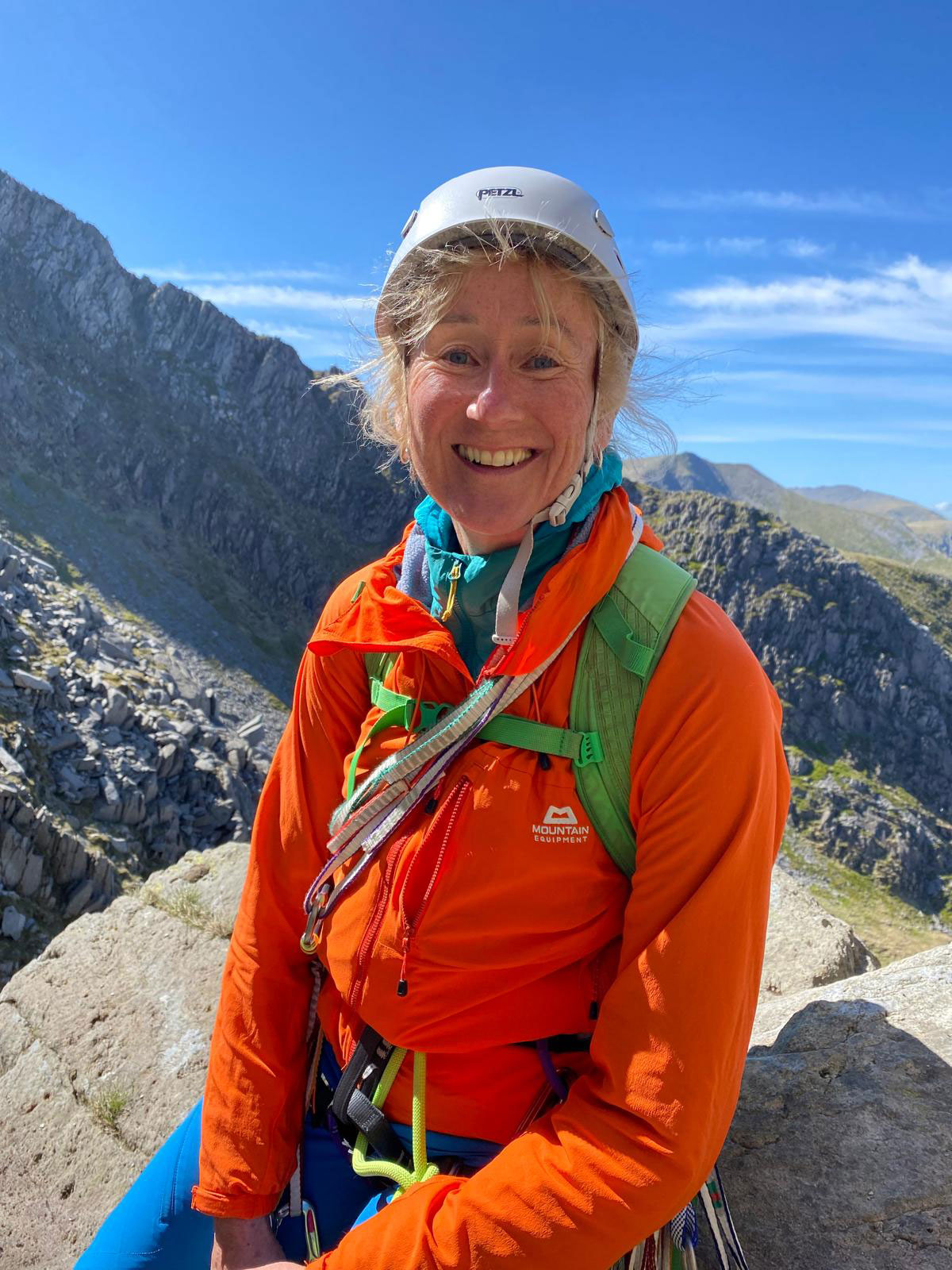
I’ve been mountaineering for a long time, attitudes have changed and environments have changed. I can’t tell you how different the Chamonix Valley looks now compared to when I first started mountaineering here. On a more personal level, mountaineers and trekkers have got much better at understanding that we need to take waste out from the hills, so from Scotland through to Patagonia as well as here in the Alps, there are measures now in place for that.
How do you educate clients about responsible trekking and conservation?
Very carefully. It's important not to go on too much about it because it can put some people off and push them the other way, so we have to strike a balance. I do think that if we want to visit these amazing environments, the onus is on us to protect and look after them for the next generations. Sometimes clients educate me about conservation, and that’s great!
How does your experience as a trekking guide influence the way you respond to customer enquiries, especially from first-time trekkers?
I think that it is really important that whoever answers the enquiries is someone who has had a lot of experience on the trails, rather than a salesperson. At MBT, it has always been more important to inform our clients and book the right trek for the right client rather than to get hugely high numbers of trekkers on the trail. We are a small, local company and we want to stay that way and offer excellent service to both our new and our returning clients. Being a guide and having hiked most of our treks multiple times means that I know them well and know the answers to the 'weird & wonderful' questions as well as the 'normal' questions that we get asked.
What are the most common misconceptions or unrealistic expectations you encounter in enquiries, and how do you address them professionally?
I think the 2 most common mistakes are:
1 - To look at the daily mileage for the TMB and to not understand the daily elevation gain & loss. This can be difficult for any hiker to understand if they have not trekked in mountainous terrain before. Every day on the TMB is on hilly ground, the trail is either going up or it's going down. To get those amazing views that we all see on social media can take a huge amount of effort.
2 - The other common misconception is the difference between going hiking for one day and undertaking a 10-day trek. The stamina and effort (physical & mental) required to get up each day and repeat the experience is not to be underestimated! Saying that, most people are more than capable of completing the trek if they have done plenty of regular exercise and specific training in the months running up to it.
I know that I have seen a recent article highlighting the TMB as being a suitable trek for novice hikers. I would agree that it is non-technical, but I would suggest that it is worth doing some shorter treks prior to signing up to the TMB to test out your kit and to find out if you actually like hiking for 8 hours a day in the middle of nowhere...
What is your favorite mountain or trek, and why?
Last December, my partner and I went to a tiny island called the Isla de Navarino, which is south of Ushuaia and the south side of the Beagle Channel. We did a 4-day trek around the Dientes de Navarino (Navarino’s Teeth). It's a really remote place, really hard to find any information on it, and quite hard to navigate. The weather is challenging and you’ve got to be completely self-sufficient for four days. We loved it! The whole area and environment is pristine. It was an amazing trek in an incredible place.
What advice would you give to someone aspiring to become a guide?
It's been an utter privilege to do what I do. My advice is that it’s important to be realistic about what you’re getting into. As with a lot of jobs you can look in on it from the outside and assume a great deal about what's involved in doing that job, whereas the nuts and bolts of functioning in that role are often very different.. For instance if I’m going to work to lead a trek in Nepal, people will say ‘have a lovely time’ as if I’m going on holiday. I adore those environments but there is a stress factor for the entire time you are responsible for 10 other human beings in a mountain environment. That’s not something to be taken lightly. So, maybe shadow a trekking guide and see if you actually like doing it. I do know people who got their outdoor qualifications and went into working in the outdoors and found that they didn’t love it. They found they didn't want to walk around at a slower pace with a group and they didn’t enjoy looking after people. It’s also expensive to qualify, months and months of training and experience just to qualify so if you’re going to do that then you need to be sure it's what you want to do and if you can legally work in the country you choose to work in, for example if you’re British and want to work in other parts of the world.
About the Author