20/04/2026
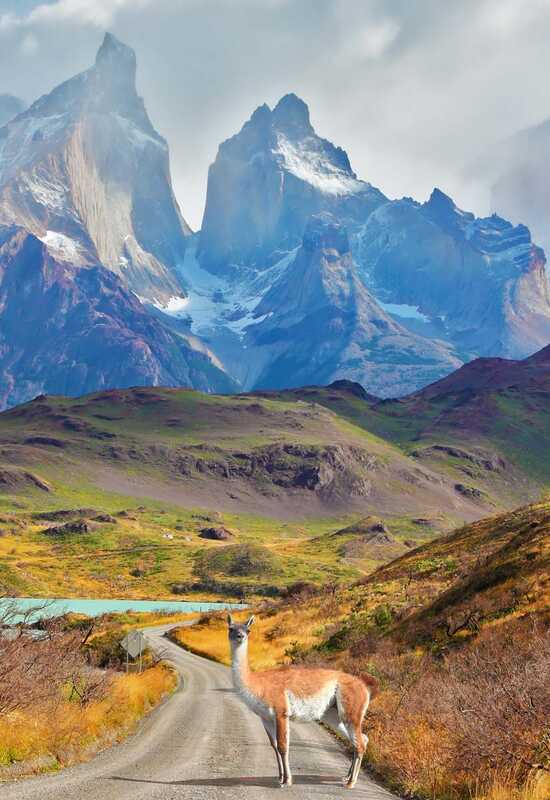
Patagonia, a region shared by Argentina and Chile at the southern end of South America, is a dream destination for trekkers worldwide. With its dramatic mountain peaks, vast ice fields, and deep blue lakes, Patagonia offers some of the most breathtaking landscapes on the planet. However, given its extreme southern location, the weather here can be unpredictable, making it crucial to choose the right time for your trekking adventure.
Here's a seasonal guide to help you plan the perfect Patagonian trek.
Overview: Patagonia's Trekking Season
Patagonia's trekking season runs from October through April — the Southern Hemisphere spring and summer. Outside of this window, most mountain huts (refugios) and campsites close, trails become dangerous with snow and ice, and daylight hours shrink dramatically. That said, each month within the season has its own character, and the "best" time depends entirely on what kind of experience you're after.
Summer (December & January)
Peak Trekking Season
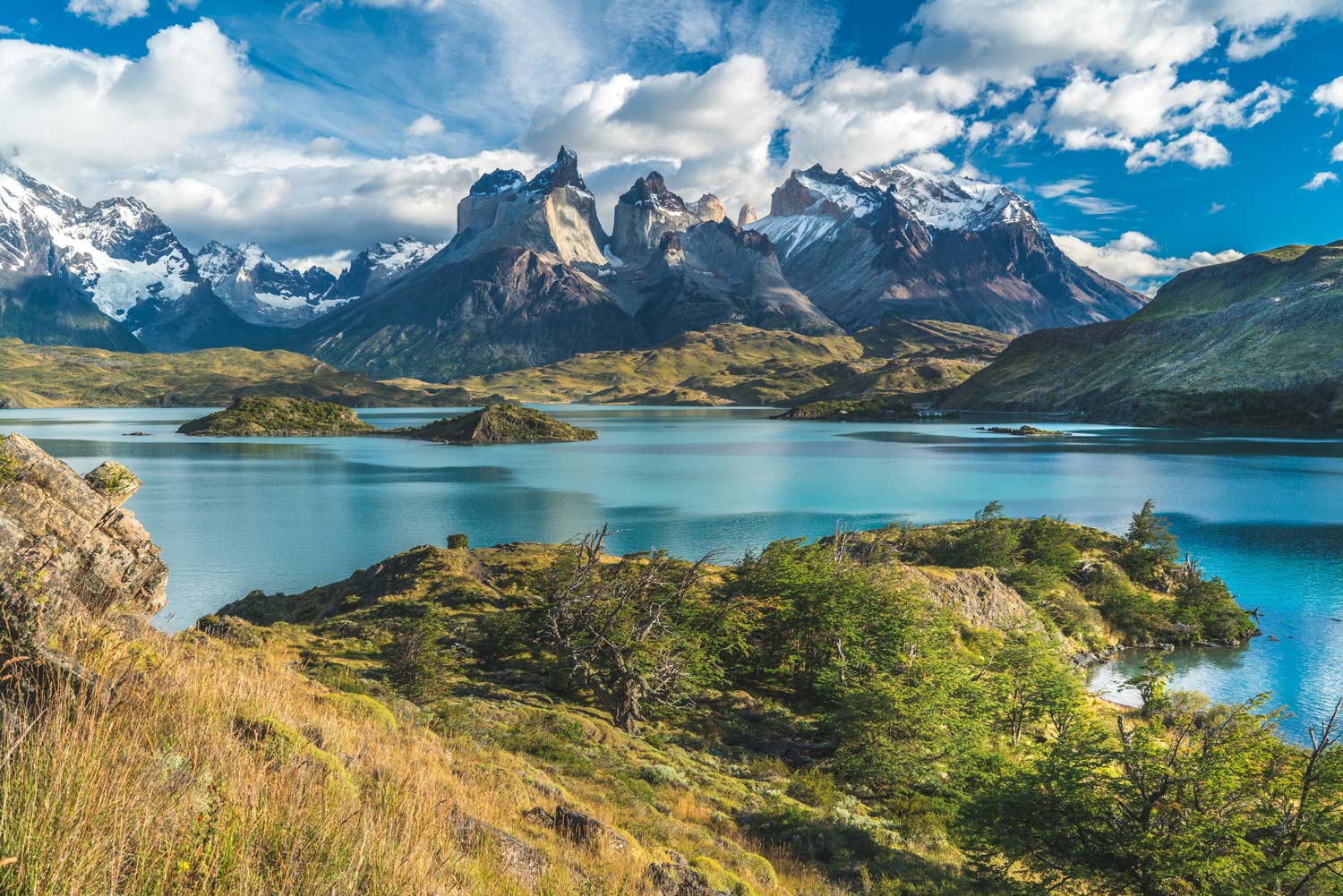
This is Patagonia's high season, and for good reason. Days stretch up to 17–18 hours of daylight, temperatures are at their most forgiving (though still cool by most standards), and all facilities — refugios, campsites, ferry services, and gear rental shops — are fully operational. The iconic towers of Torres del Paine are frequently bathed in golden alpenglow, and the views across Lago Grey and the Grey Glacier are at their most accessible.
Advantages:
Warmest temperatures (can reach up to 20°C or 68°F)
Long daylight hours, meaning more time to explore
All trails and services are open
Considerations:
Popular trails can be crowded
Accommodation and services need to be booked well in advance
Winds can still be strong, especially in open areas
Who it suits: Everyone — from first-time trekkers to seasoned hikers. Peak season is ideal for those who want the most reliable weather, the full trail infrastructure, and the classic Patagonian experience. Just plan and book early.
Late Summer (February)
Still Excellent, Slightly Calmer
February rivals December and January as one of the best months to trek. The summer warmth lingers, the trails are in prime condition, and toward the end of the month, the crowds begin to thin slightly as the school holiday rush subsides. Sunsets are spectacular — long, slow, and painted in Patagonian golds and pinks.
Who it suits: Those who missed the January rush but still want peak-season conditions. A fantastic time for photography thanks to warm, extended golden hours.
Early Autumn (March)
The Insider's Favourite
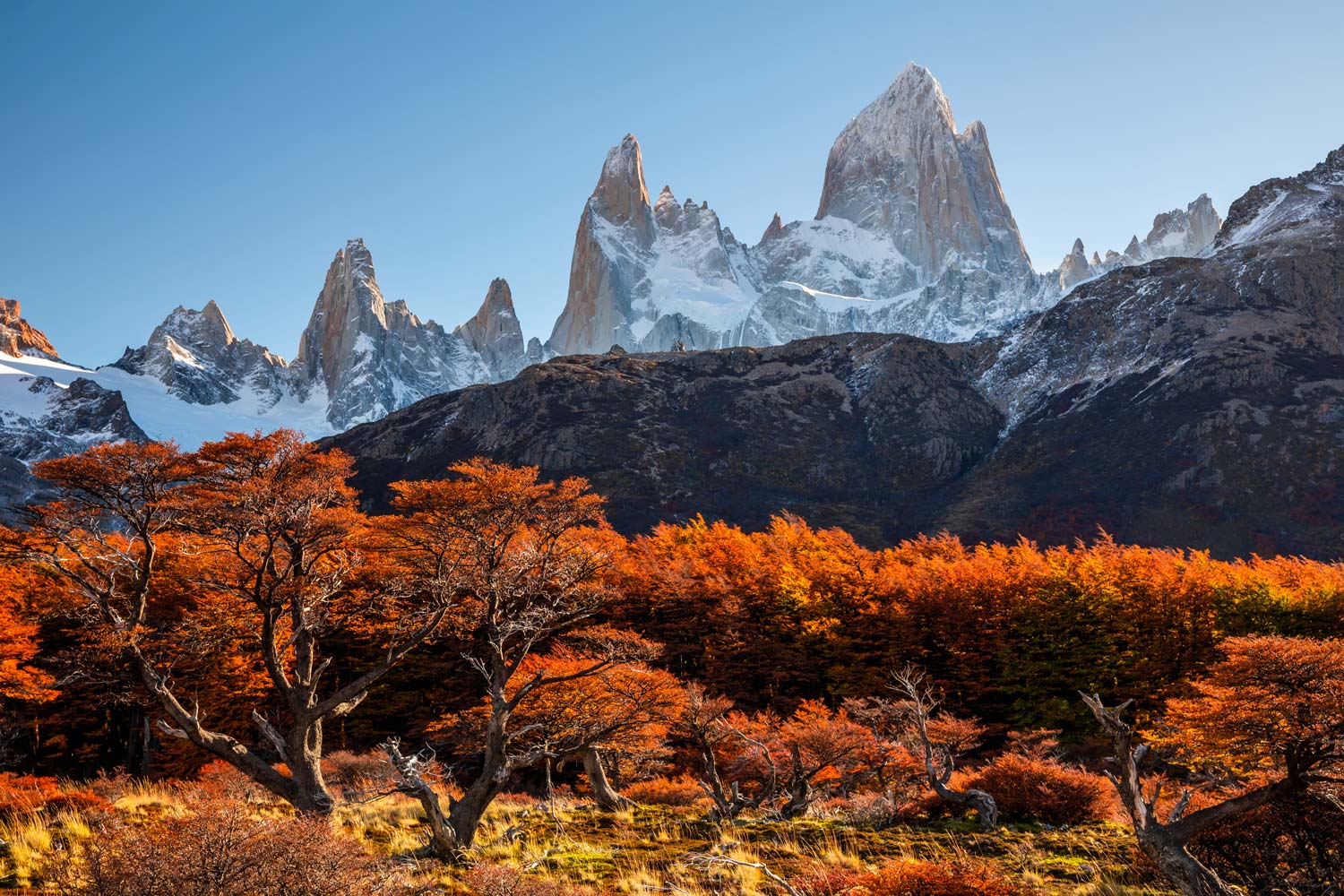
Many seasoned Patagonia guides and trekkers consider March the single best month to visit — and it's not hard to see why. The brutal winds of summer begin to ease, the autumn colours transform the lenga beech forests into a blaze of red, orange, and gold, and the trails are noticeably less congested. The light in March is simply extraordinary.
Temperatures are dropping but remain very manageable with the right gear, and all facilities are still fully open.
Who it suits: Photographers, returning trekkers, and anyone who values beauty over predictable warmth. March is our personal recommendation for the O Circuit.
Advantages:
Less crowded trails and accommodations
Beautiful autumn foliage
Milder weather, (10℃ or 50°F) though cooler than summer, and can drop to below freezing at night later in the season
Due to less crowded trails, there is more chance of seeing wildlife
Considerations:
Days get shorter, reducing trekking time
Some facilities start to close towards the end of the season, the Torres del Paine 'O' circuit closes at the end of March
Weather can be unpredictable, with a mix of mild days and sudden cold snaps or bouts of rain, with strong winds
Late Autumn (April)
For the Bold and Prepared
April is the tail end of the trekking season and demands respect. Facilities begin closing from mid-month, daylight hours shorten noticeably, and weather can deteriorate rapidly. However, for experienced mountain trekkers with solid cold-weather gear, early April can offer an extraordinarily raw and solitary Patagonia experience — full autumn colour, near-empty trails, and an atmosphere of wild remoteness that the summer months simply cannot match.
Who it suits: Experienced trekkers only. Always check facility closure dates and trail conditions before committing to an April trek.
Winter (May to August)
For Winter Mountaineering not Hiking
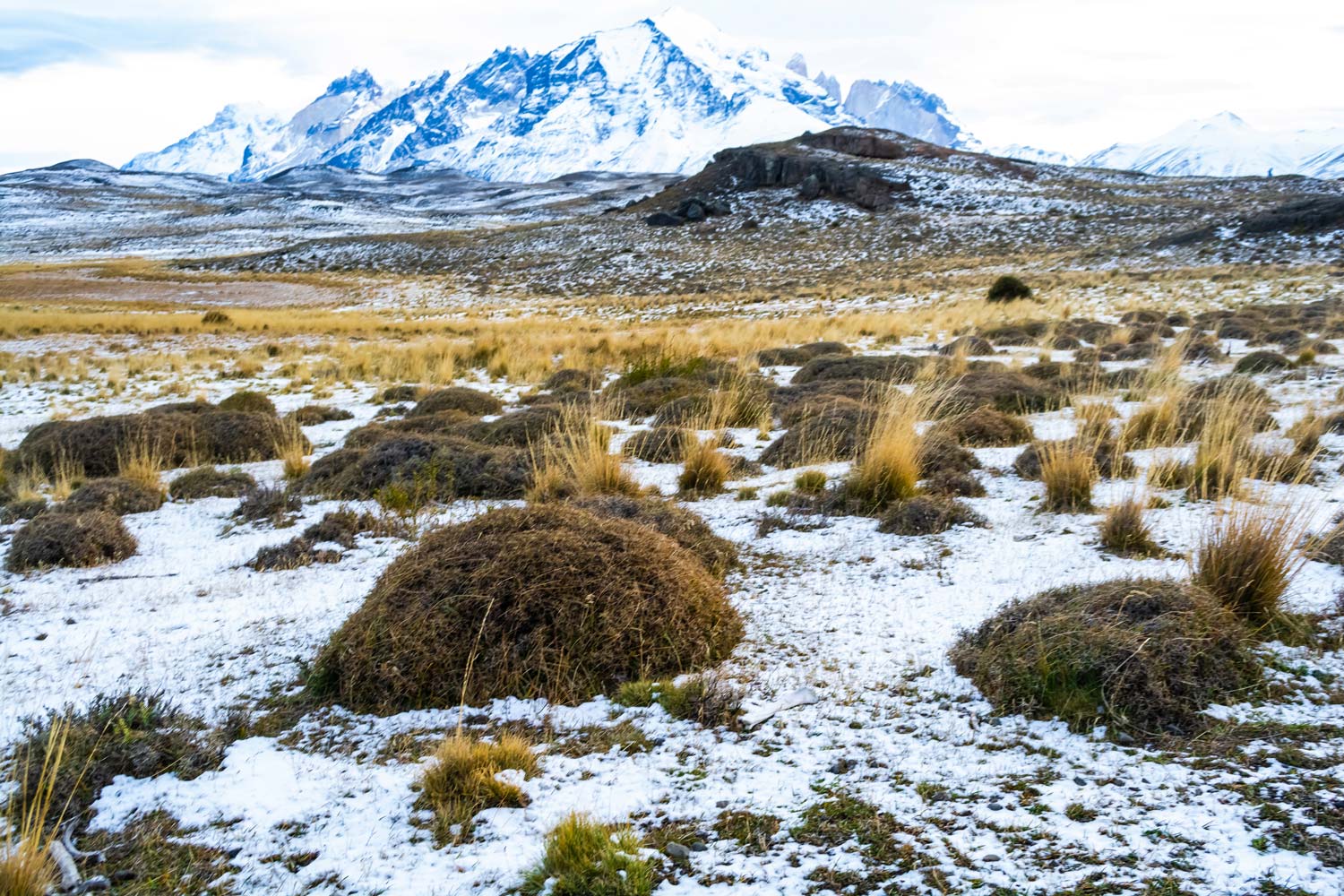
Most refugios and campsites have shut their doors by now. In May, snow begins settling on the high passes, daylight drops significantly, and the park becomes increasingly difficult to navigate safely. That said, the raw, moody atmosphere is stunning for those who venture in — just don't expect any infrastructure support.
In full Patagonian winter June & July, Torres del Paine and Los Glaciares are largely inaccessible for trekking. Trails are snow-covered, passes are dangerous or impassable, temperatures drop well below freezing, and violent storms are frequent. The national parks remain technically open but organised trekking is essentially off the table. Some travellers visit the gateway towns of Puerto Natales or El Calafate for the atmosphere, or explore lower-altitude day walks, but multi-day circuits are not viable.
May through to August is off-limits for the O Circuit and most serious trekking. It's a great time to dream, plan, and book your spot for the season ahead
Advantages:
Solitude in nature, as few tourists visit during this time
Snow-covered landscapes offer a different kind of beauty
Ideal for photography with soft light and clear skies
Considerations:
Trails, refuges, and facilities are closed
Days are short, and weather can be harsh
Suitable only for winter mountaineering or skiing
Temperatures hover around 4℃ or 40°F during the day and around -7℃ or 20°F at night
Very early Spring (September)
Early Bird roll of the Dice
September sits in a tricky in-between zone. Winter is loosening its grip, daylight hours are increasing, and there's a real sense of the wilderness waking up — but it's not quite trekking season yet. Snow still covers the high passes, most refugios remain closed, and trail conditions are unpredictable at best. Occasional warm spells in between snowstorms can make lower-altitude walks surprisingly pleasant, but the O Circuit and W Trek are not safely doable for most trekkers. A lot of patience is required to wait out the snowstorms, or you might be lucky and have a few days of clear weather.
Early Spring (October)
Quiet Trails, Unpredictable Weather
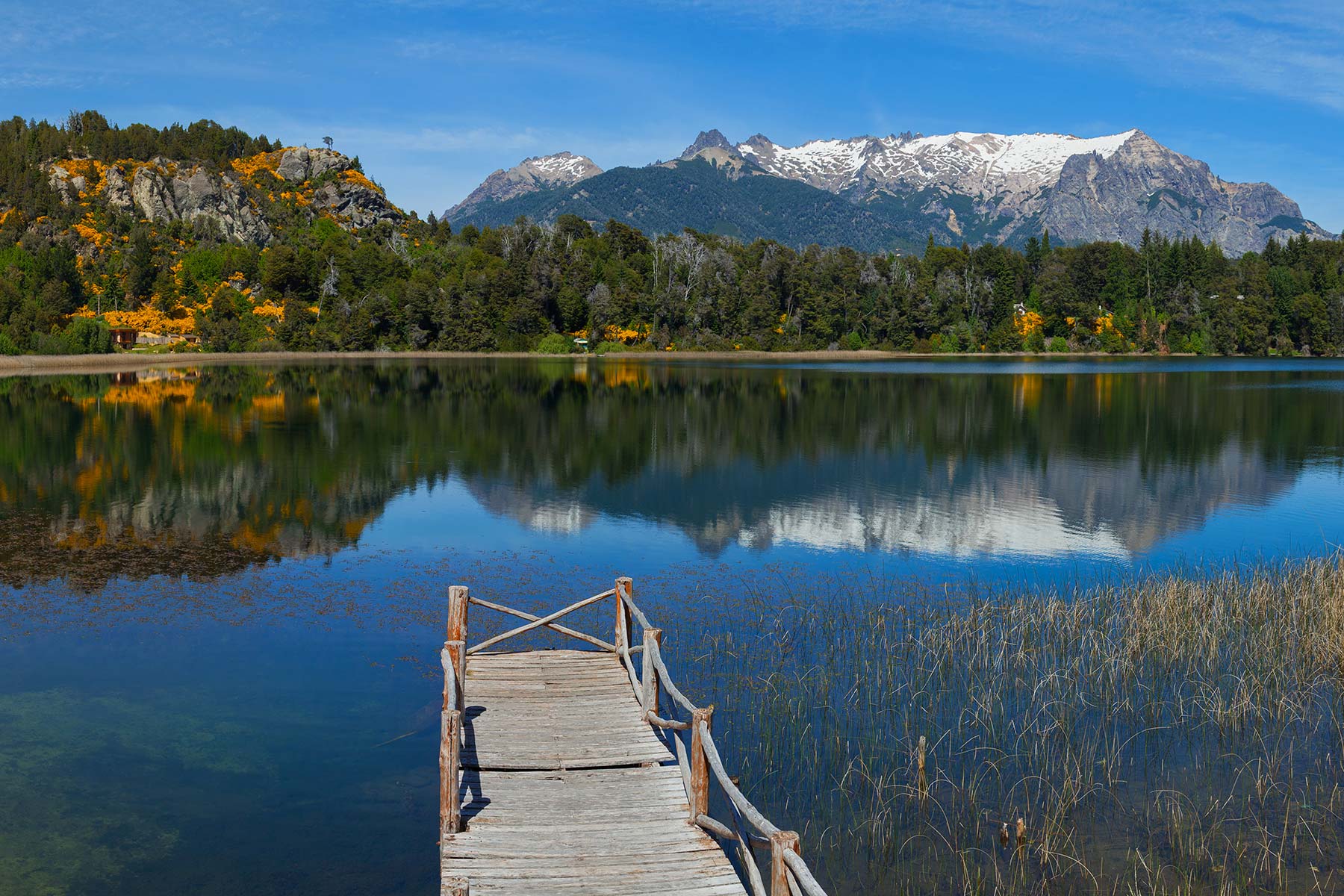
October marks the tentative start of the trekking season in Patagonia, and it comes with caveats. Higher passes like Paso John Gardner on the O Circuit can still be blanketed in snow and ice, requiring extra caution and solid cold-weather gear. Trails are quieter — blissfully so — and the landscape is alive with wildflowers beginning to bloom after winter.
Advantages:
Increasingly warmer weather (around 10℃ or 50°F) and longer days
Lowest rainfall
Less crowded than summer
Ideal for wildlife watching and photography
Considerations:
Early spring can still be quite cold and windy
Some services may not be fully operational until late spring
Unpredictable weather with occasional snowfalls
Who it suits: Experienced trekkers comfortable with cold and variable conditions who want solitude. Not recommended for first-timers or those with tight schedules, as weather delays are common.
Late Spring (November)
A Sweet Spot for the Adventurous
November is an underrated gem. The weather is becoming more stable, snow is melting off the high passes, and the refugios and campsites are beginning to open for the season. Wildflowers are in full bloom, rivers run high with snowmelt, and you'll share the trail with a fraction of the summer crowds.
Who it suits: Trekkers who want a balance of good conditions, fewer crowds, and vibrant spring scenery. Ideal for those booking guided treks who want a more intimate group experience.
Month-by-month snapshot
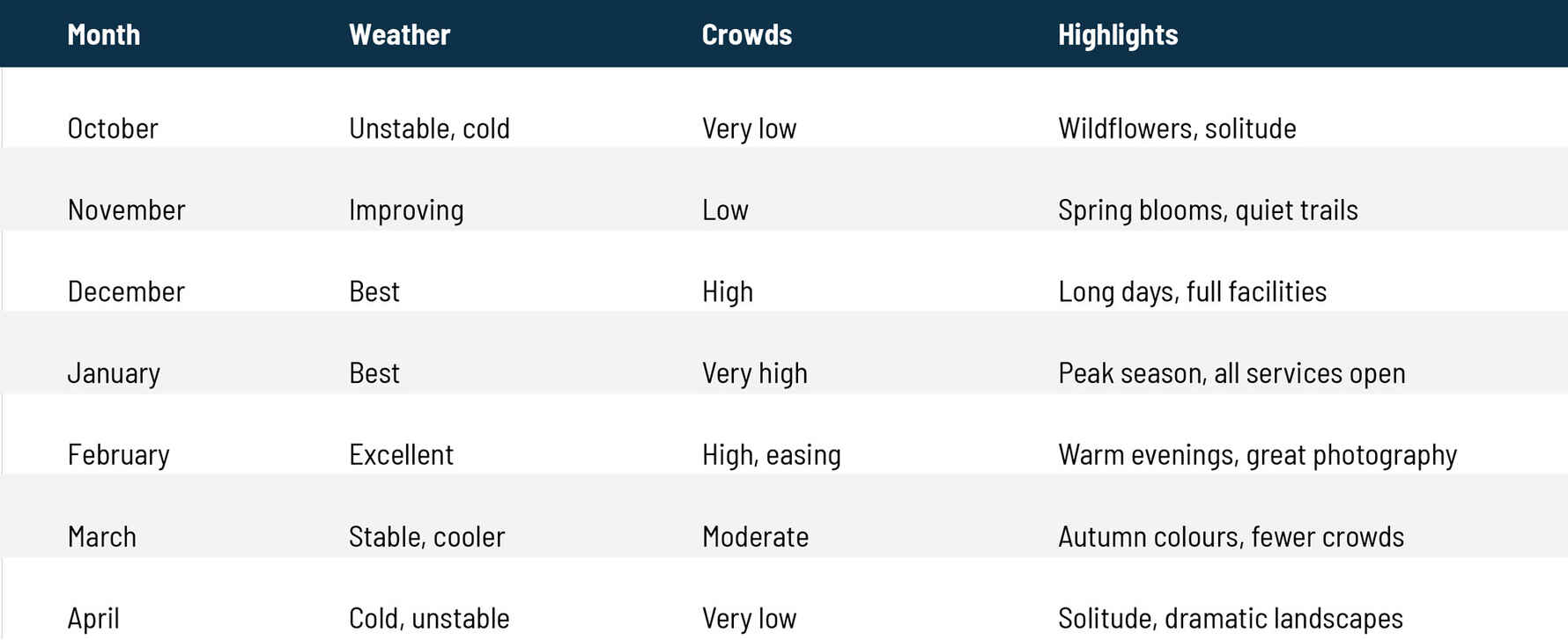
Choosing the best time to trek Patagonia largely depends on what you want from your experience. Summer offers the best weather and full services but comes with crowds. Autumn and Spring provide a more solitary experience with stunning natural beauty, while Winter challenges the most experienced trekkers. Regardless of when you go, Patagonia promises an unforgettable adventure with its awe-inspiring landscapes and untamed wilderness.
If you're dreaming of the autumn colours of March which is the best season to go in our opinion, we have the guided Patagonia trek of a lifetime for you. Spaces are strictly limited — get in touch today to secure your spot on one of the world's greatest treks.
About the Author