28/07/2026
Continuing on in our Experts Series, up next is Robert Farwell one of our UIMLA guides at MBT. Robert has been with MBT for 8 years, and he brings his passion for the mountains and expert knowledge with him on every trek.
What brought you to the mountains, to Chamonix?
I first came to Chamonix in 1998 to rock climb between winter seasons in Canada and summers in Switzerland.
Can you tell us a bit about your background and how you became a trekking guide?
Starting with skiing, I developed an interest and connection to mountainous environments. Initially hiking was a necessary means to access rock climbs. My interest and awareness led me towards full time hiking and professional qualifications.
How long have you been guiding, and what regions or mountains have you worked in?
I’ve been an UIMLA trekking guide since 2008, and worked as a trainee since 2006. I was a ski guide in Canada in the 1990s. I’ve worked in the Canadian Rockies, France, Switzerland, Italy and Germany.
What certifications or training programs have you completed?
British Summer Mountain Leader, French Brevet d’Etat (Accompagnateur en Montagne - UIMLA), French Diplôme d’Etat (Accompagnateur en Montagne - UIMLA) BASI, Level 3 International Ski Instructor, Canadian Avalanche Association Level 1 Pro.
What made you decide to join Mont Blanc Treks?
Having worked for several other companies, I came across MBT through fellow guides and their enthusiasm for Sara, her products and logistical organisation.
What key skills are essential to being a successful guide?
Adaptability, Preparation, Well organised, Empathy, Knowledgeable, Qualified.
How do you prepare for a new trek?
In a perfect world, I trek it myself before taking clients. When this is not possible, I spend time looking at maps and various trekking blogs as well as researching the history of the area.
What equipment do you always carry, and why?
Full waterproofs, the weather can change suddenly in the mountains. Garmin inReach Mini2 - emergency communication. Chilli sauce - Ham and Cheese needs help on occasion.
How do you assess the risk level of a trek?
Altitude, length and height gain over the days; the type of terrain underfoot; the client’s experience and energy levels and the weather forecast.
Can you describe a time when you had to handle a dangerous situation?
Crossing the Col de la Forclaz on the Walker’s Haute Route in heavy rain and snow. I ensured guests were well equipped and energy was high. Using local weather forecasts we were able to pass the Col between two periods of bad weather,
What emergency protocols do you follow in case of an accident or sudden weather?
MBT has a set of protocols for accidents depending on the level of injury. They are to: Ensure safety of the entire group. Assess injury & treat where appropriate. Continue trek if appropriate, work out an escape route if necessary. Call professional help when needed. Weather tends to be down to preparation & the individual’s equipment. Turn back if necessary.
How do you educate and prepare clients about safety measures before a trek?
Mainly the evening before at the Welcome Meeting. I bring my guide’s pack and discuss its contents.
What are the biggest challenges you face as a trekking guide?
Guest conflict and disagreements.
What do you find most rewarding about your job?
Educating guests about the mountain environment and we can continue to protect it.
Have you ever had to turn back from a trek? How do you handle disappointed clients?
Turn back, no. Shorten days, or even skip occasional days due to weather, yes. To avoid disappointment I discuss the possibilities as early as possible.
How do you assess the fitness and skill level of your clients?
Partly through the Fitness Experience Questionnaire. Partly on Day 1, when there are several short cuts/lifts to help out.
What advice do you give to first-time trekkers?
Break your footwear in before a multi-day trek.
How do you manage group dynamics, especially under stressful conditions?
Clear precise, precise communication, as early as possible. Ensuring everyone has some individual space and time.
What measures do you take to minimise environmental impact during expeditions?
We discuss litter policy and remain on the existing trails.
How do you educate clients about responsible trekking and conservation?
Through a variety of discussions at the Welcome Meeting and on the trek.
What do you do when the hiking season is over?
D.I.Y. … and then skiing.
What do you get up in your downtime?
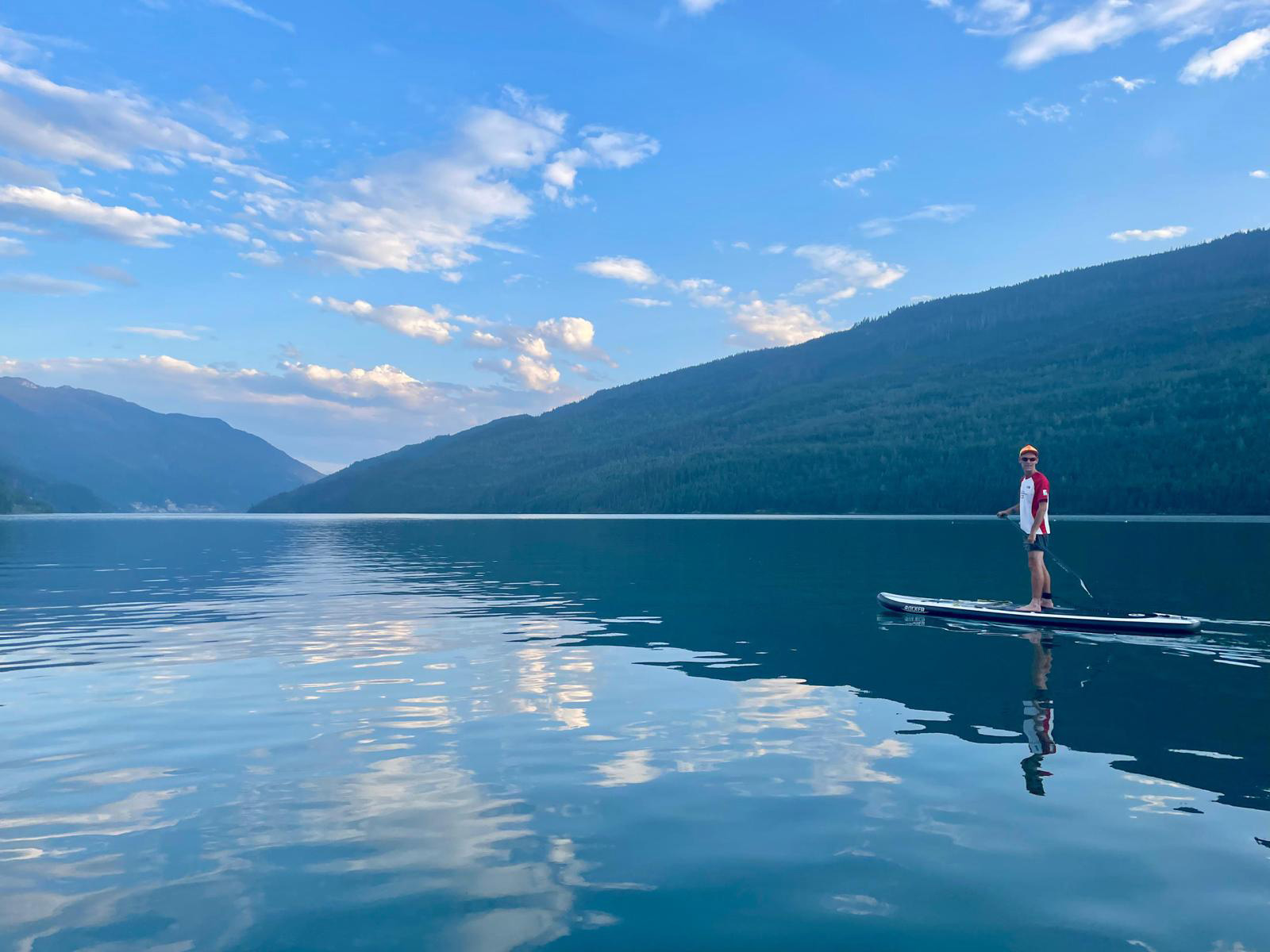
Trail running, climbing, walking our dog, eating.
What is your favourite mountain or trek, and why?
The quality of food and accommodation in the Dolomites is hard to beat.
What advice would you give to someone aspiring to become a guide?
Go out regardless of the weather, adjust your goals because of it.
About the Author